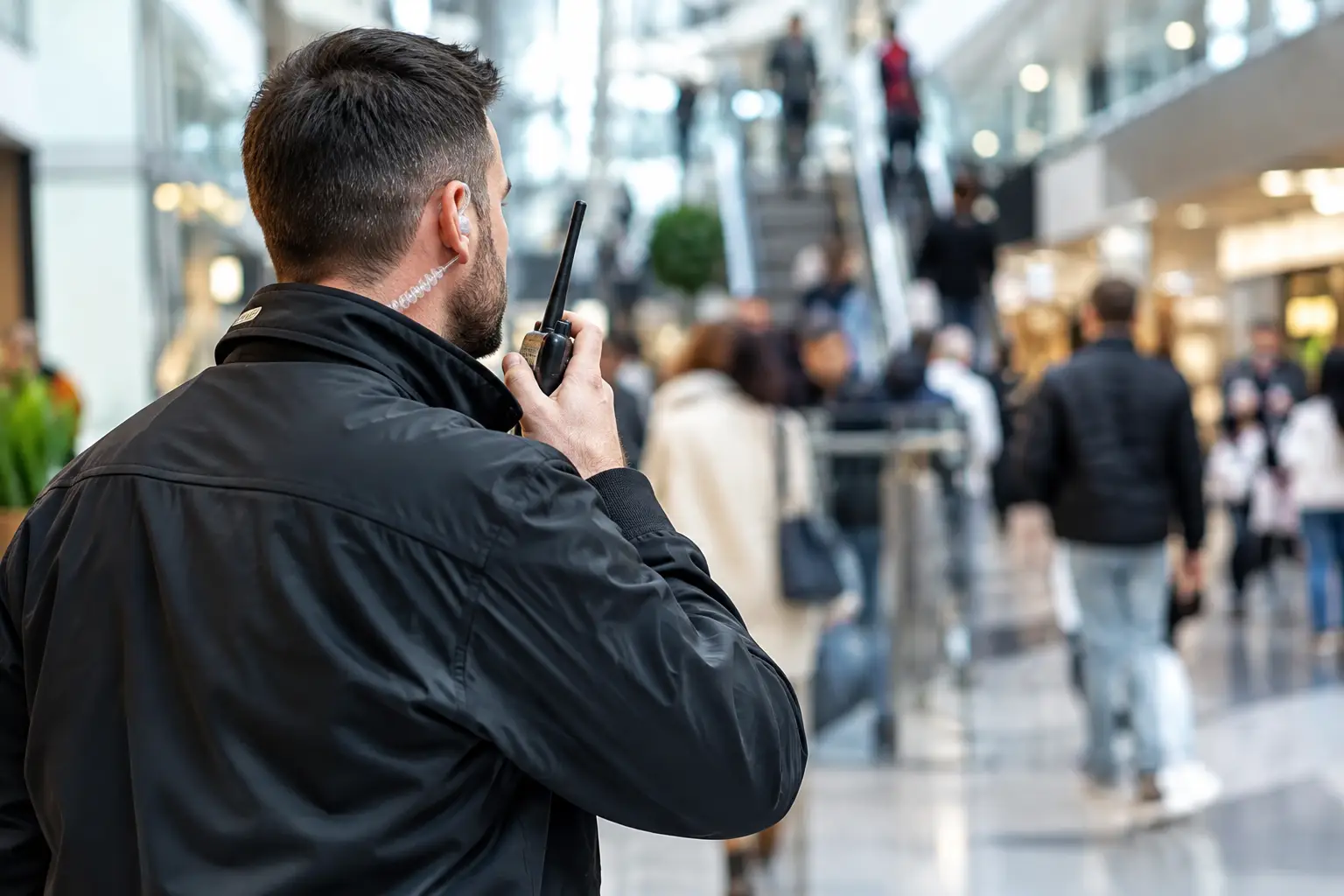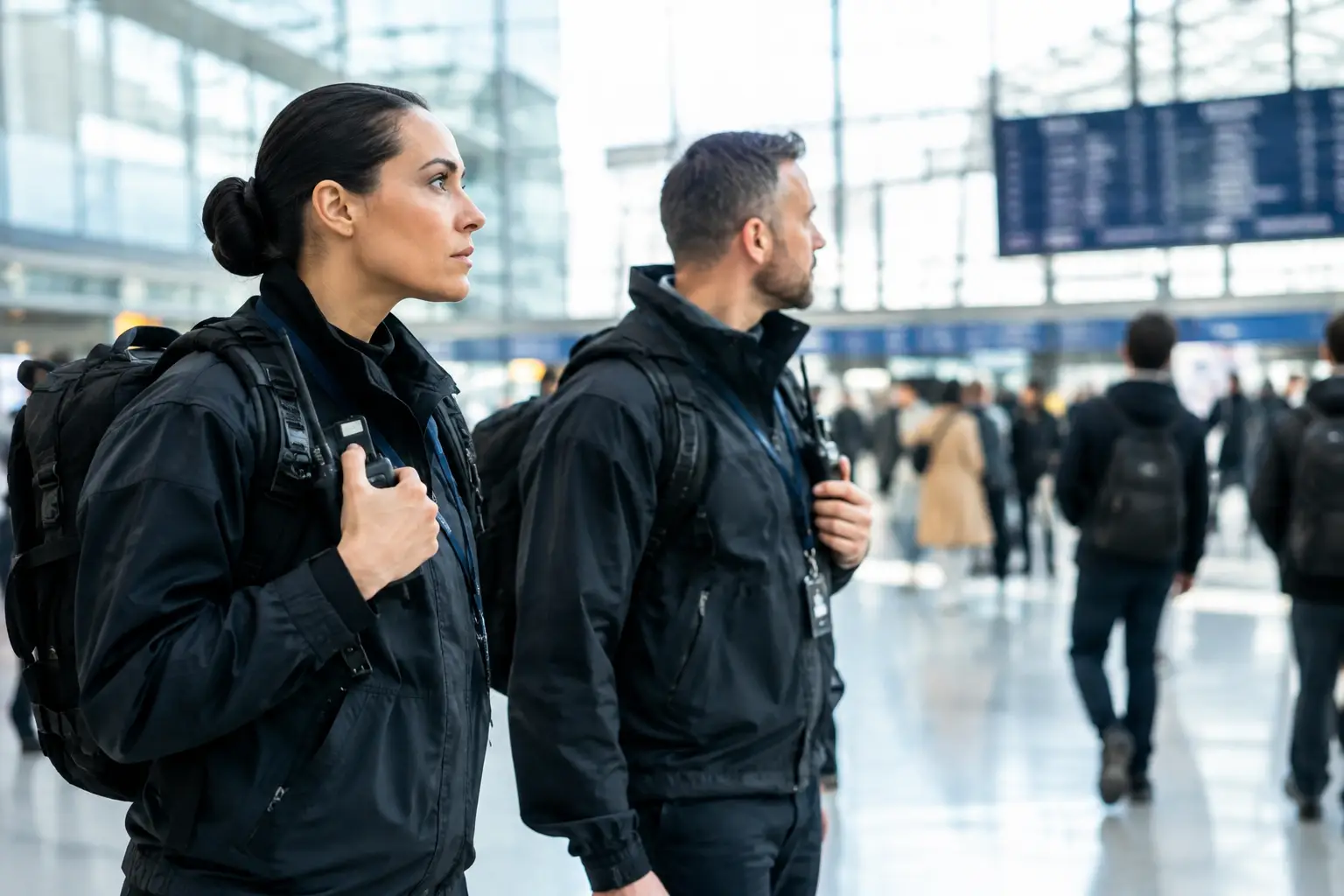
A near miss rarely announces itself in advance. More often, it sits inside routine – a rushed handover, an unchecked bag drop, a contractor waved through because somebody is busy, or a staff member noticing something unusual but saying nothing because the briefing has already moved on. That is where security moments at meetings and shift briefings earn their value. Done properly, they turn ordinary operational touchpoints into repeatable chances to sharpen vigilance, improve judgement, and reduce preventable gaps.
For organisations exposed to terrorism, hostile reconnaissance, theft, public disorder, insider threat, or high-consequence disruption, this is not a soft awareness exercise. It is a practical way to build security capability into the rhythm of work. Brief, relevant, and well-led security moments reinforce what matters before pressure builds, not after an incident forces the lesson.
Why security moments at meetings and shift briefings work
Most incidents are not prevented by policy documents. They are prevented by people noticing, questioning, escalating, and acting early enough. The problem is that teams do not operate from policy documents in live conditions. They operate from habits, assumptions, and whatever has been reinforced most recently.
That is why short security inputs in meetings and shift briefings can be so effective. They keep risk live in the minds of supervisors, frontline teams, and decision-makers without overwhelming them. A two-minute discussion on suspicious behaviour, access control discipline, hostile vehicle indicators, or emergency communications can reset attention quickly. It also gives managers a visible way to show that security is part of operations, not a separate box to tick.
There is another advantage. Security moments create a shared language. If teams regularly hear clear terms around suspicious activity, behavioural indicators, challenge procedures, and escalation routes, they become more confident using them in real situations. Under pressure, familiarity matters.
What a good security moment looks like
A good security moment is short, specific, and operationally relevant. It is not a lecture. It is not a compliance recital. It should connect directly to the environment people are about to work in.
For a retail team, that could mean a quick reminder on hostile reconnaissance indicators near entrances, loading bays, or public congregation points. For events staff, it may focus on queue management, bag search standards, emergency egress discipline, or what to do if a person attempts to bypass screening. In hospitality, it could address unauthorised access to back-of-house areas, suspicious room requests, vehicle concerns, or lone worker vulnerabilities.
The key is relevance. If the briefing content feels generic, teams will tune out. If it reflects current operating conditions, recent incidents, seasonal pressures, local threat context, or known vulnerabilities, it has weight.
Good delivery also matters. The person leading the moment needs to sound credible and clear. This does not require dramatic language. It requires conviction, practical examples, and a clear link between the issue and the team’s role.
Topics worth covering in meetings and shift briefings
The strongest security moments are built around recurring themes rather than random facts. Over time, this creates consistency without repetition fatigue.
One useful theme is behavioural awareness. Staff should understand what suspicious behaviour can look like in their setting – not as a checklist to apply mechanically, but as a set of cues that prompt observation and reporting. Loitering without clear purpose, unusual interest in procedures, repeated visits without a transaction, attempts to test staff reactions, or unusual photography near vulnerable points may all justify attention. Context always matters.
Another theme is access control. Many avoidable failures happen at doors, gates, delivery points, and staff-only spaces. Short reminders on challenge culture, pass use, escorting visitors, contractor verification, and preventing tailgating can close obvious gaps.
Emergency response is equally suitable. Teams should not wait for formal exercises to think about lockdown, evacuation, invacuation, communications failure, or casualty response. Small, repeated prompts help people retain actions and responsibilities.
Suspicious items and vehicles are also worth revisiting regularly, especially in sites with public access, loading activity, or VIP presence. The aim is not to create alarm. It is to improve early recognition and structured escalation.
Cyber-physical overlap can feature too. A lost device, an unknown USB drive, or a suspicious caller seeking access information can all have physical security consequences. For many organisations, the old divide between digital and physical threat no longer reflects reality.
How to make security moments stick
Security moments fail when they become stale, vague, or disconnected from frontline reality. Teams can spot recycled wording quickly. If every briefing says, in effect, stay alert and report anything suspicious, the message becomes wallpaper.
To make the input stick, anchor it to something concrete. That may be a recent incident in the sector, an observed weakness on site, a known local event increasing footfall, or an operational change that affects exposure. People remember examples far better than slogans.
Questions help as well. A briefing leader might ask, what would you do if a delivery driver refused to wait at the control point, or who do you call first if you identify hostile reconnaissance near the perimeter? Short scenario prompts force active thinking. They also reveal confusion before it becomes a live problem.
Rotation matters. Security moments should revisit core topics, but from different angles. One week may focus on suspicious behaviour at entry points, another on emergency communications, another on challenge culture when dealing with contractors or temporary staff. This keeps the programme fresh while reinforcing priority themes.
It also helps to keep ownership close to operations. Security specialists can design the framework, but line managers and supervisors often deliver best when properly supported. They understand the pace, pressure, and friction points of the shift. That makes the message more credible.
The trade-off between brevity and depth
There is a balance to strike. Security moments at meetings and shift briefings should be brief enough to fit operational tempo, but not so thin that they become meaningless.
In most settings, one to three minutes is enough for a single focused point. Longer than that, attention starts to drift unless the issue is urgent or directly tied to an immediate operational risk. If deeper understanding is needed, that belongs in structured training, exercises, or formal development sessions.
This distinction matters. Briefings reinforce. They do not replace competence development. An organisation that relies on short meeting inputs alone will create familiarity, but not necessarily capability. Teams still need proper instruction, validation, and rehearsal.
That is especially relevant for businesses preparing for higher scrutiny under counter terrorism obligations such as Martyn’s Law. Frontline reminders are useful, but regulators and responsible leaders will expect more than awareness theatre. They will expect evidence that people know what to do, can make decisions under pressure, and understand their part in the wider protective security posture.
Building a repeatable briefing discipline
The most effective approach is to treat security moments as part of a broader capability system. That means planning them, reviewing them, and aligning them with actual risk.
A simple structure works well. Set a monthly or quarterly briefing theme linked to current priorities. Support supervisors with short prompts, examples, and the key action message. Capture any issues raised by staff during the briefing, especially recurring confusion or barriers to reporting. Then feed that information back into training, site reviews, or management action.
This does two things. First, it improves consistency across teams and locations. Second, it turns briefings into a source of operational intelligence. If staff repeatedly raise uncertainty around emergency radios, visitor procedures, or suspicious package escalation, that is useful evidence of where capability needs work.
Measurement should stay practical. You do not need elaborate dashboards to see whether security moments are working. Look for signs such as better quality reporting, more confident challenge behaviour, fewer procedural shortcuts, and sharper responses during exercises or incidents. If nothing changes on the ground, the briefing content is probably not landing.
Common mistakes that weaken impact
One common mistake is making the message too abstract. Terms like be vigilant mean little unless translated into observable actions. Another is using fear as the main device. Fear may capture attention briefly, but it rarely produces calm, reliable performance.
A further error is treating every shift the same. Night teams, public-facing staff, engineers, cleaners, event stewards, and senior managers do not face identical exposures. The principle may be shared, but the example and expected action should fit the role.
Finally, some organisations confuse frequency with quality. Repeating a weak message every day does not strengthen it. It just normalises noise. Better fewer, sharper interventions than constant filler.
Security moments at meetings and shift briefings as a leadership signal
There is a wider effect here. When leaders consistently give security airtime in meetings and handovers, they signal what the organisation values. They show that readiness, reporting, and disciplined behaviour matter even when operations are busy.
That leadership signal is powerful because culture is built through repetition. People notice what gets checked, what gets praised, and what gets ignored. If security appears only after an incident, staff will read it as reactive. If it is woven into routine leadership behaviour, they are more likely to treat it as part of professional performance.
For organisations facing real exposure, that is the point. Security moments are not there to decorate the meeting agenda. They are there to shape attention before somebody has to make a fast decision with incomplete information. When handled properly, those short conversations do more than raise awareness. They build habits that hold when pressure is highest.
The best test is simple: if a real issue emerged on the next shift, would your team know what to notice, what to do, and who to tell? If the answer is uncertain, your next briefing is already overdue.
Useful Links:
.