A security plan can look convincing in a board pack and still fail.
The future of corporate counter terrorism will be decided less by the volume of policy an organisation holds and more by whether its people can recognise danger, make sound decisions and act together when time is limited.
For retail, hospitality, events, infrastructure and high risk commercial operations, this is not a distant issue.
Crowded places, public facing teams, complex supply chains and digital dependence create exposure that changes by the day.
New legal duties in UK, add necessary focus. Yet compliance alone is not capability.
Corporate counter terrorism is moving beyond compliance
For many years, corporate counter terrorism has been framed around physical measures, perimeter controls, access procedures, surveillance, evacuation plans and liaison with emergency services internationally.
These remain essential. A determined attacker, however, will look for weaknesses between systems, people and processes.
That changes the task for security and operational leaders.
They must understand how a site works in practice, not merely how it is designed to work. A stadium on a busy match day, a hotel during a major conference and a retail centre at Christmas all operate differently from their written procedures.
Queueing, staff turnover, contractors and competing commercial priorities can create vulnerabilities that a static assessment will miss.
The stronger model is continuous.
It brings threat, vulnerability and risk assessment into routine operational management, then tests whether controls hold under realistic conditions. This is not an argument for constant disruption. It is an argument for asking better questions, what has changed, who owns the risk, and can the team actually carry out the response expected of them?
That is Counter Terrorism.
Note: Any organisation listening to briefings on Terrorism studies topics is being led down an incorrect path and wasting time and resources.
The threat picture will become more connected
Future attacks and hostile acts are unlikely to fit neatly into one category.
Physical harm, insider access, online influence, misinformation, reconnaissance, cyber disruption and public disorder may overlap.
Not every incident will be terrorism, but the capability needed to identify abnormal behaviour, protect people and maintain control is often shared.
This demands closer working between security, operations, HR, IT, facilities, communications and senior leadership.
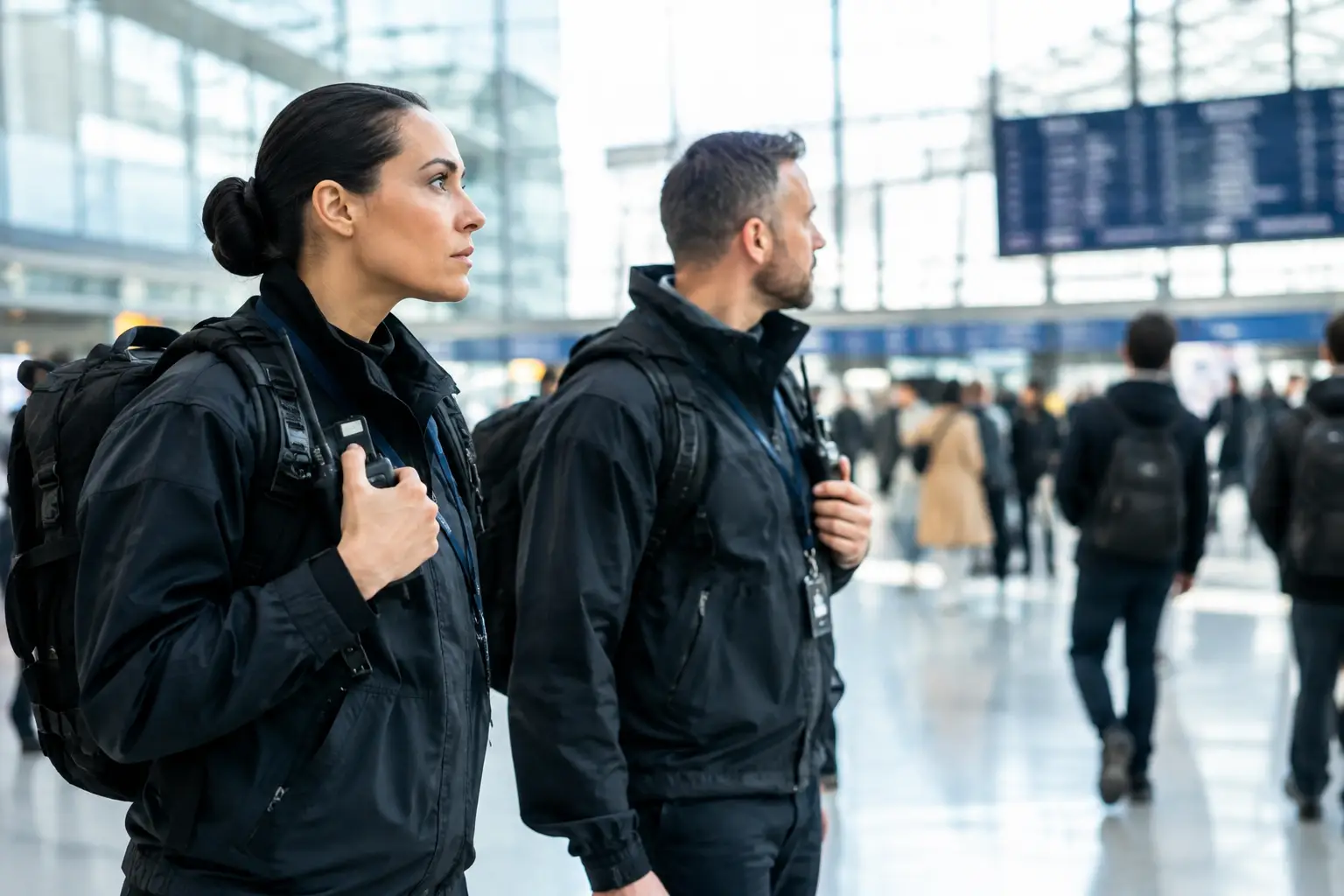
Each team sees part of the picture. Security and staff may spot hostile reconnaissance. HR may be managing a behavioural concern. IT may detect an attempt to obtain information about a site or event. Operations may notice a contractor working outside agreed arrangements.
A useful warning can be lost when these observations stay in separate functions.
The answer is not indiscriminate data collection or unnecessary surveillance. It is clear governance, lawful information handling and defined escalation routes. Teams need to know what warrants reporting, where it goes, who assesses it and what feedback follows.
When people report concerns and hear nothing, reporting declines. When they receive proportionate feedback, awareness becomes part of normal professional practice.
Behavioural awareness will matter more than scripted responses
Technology can detect, record and alert.
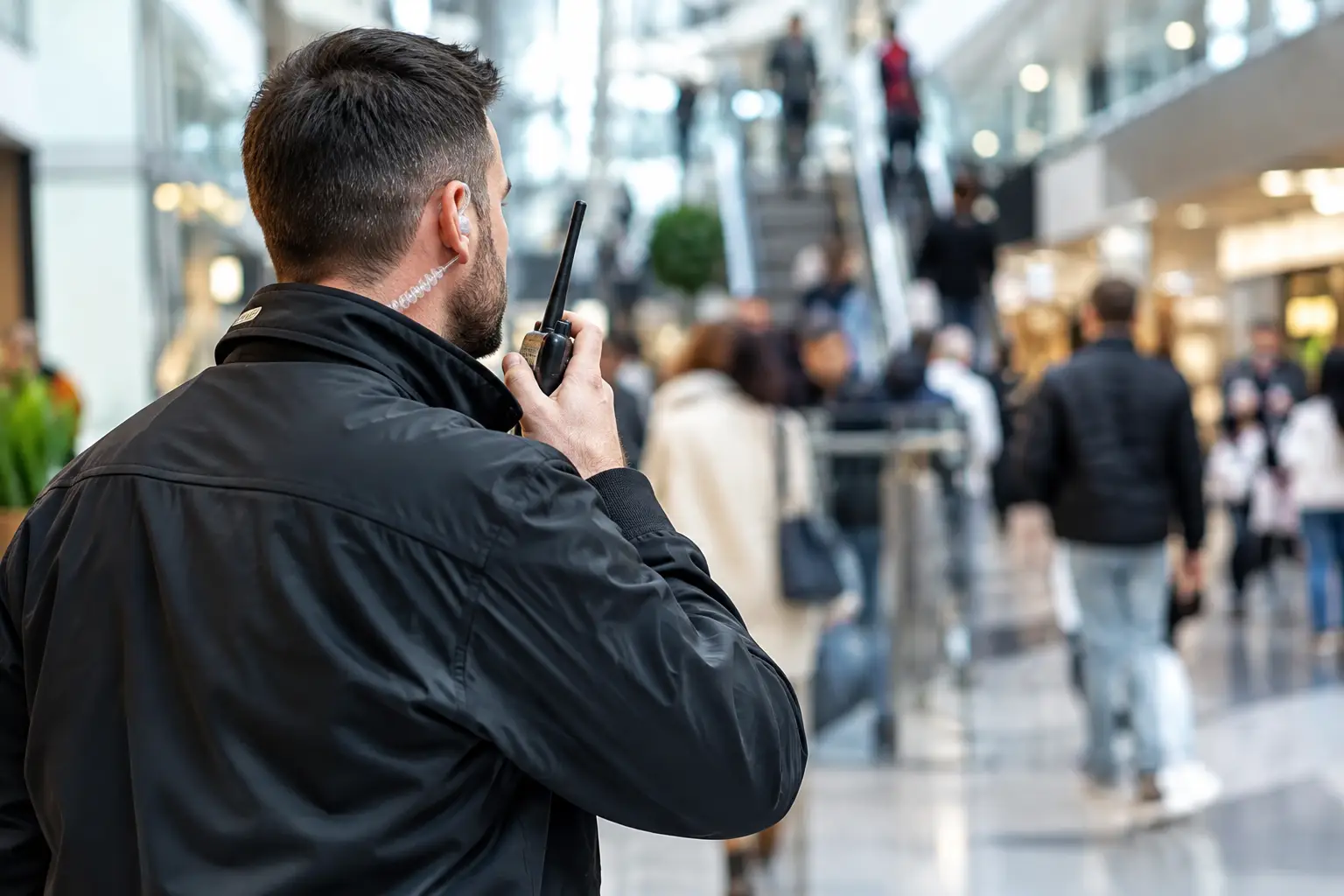
It cannot replace informed human judgement. Frontline personnel are often best placed to notice behaviour that does not fit the setting, unusual interest in restricted areas, repeated testing of boundaries, attempts to gain access through confidence or distraction, or an individual whose actions warrant discreet attention.
This must be taught carefully. Behavioural awareness is not a licence for profiling. It is about objective indicators, context and respectful intervention.
Staff should be able to describe what they saw or heard, rather than rely on assumption. That produces better reporting, supports fairer decisions and avoids damaging the customer experience.
The future workforce will need confidence as well as awareness.
A colleague who understands an escalation process but feels unable to challenge unsafe conduct is not fully prepared.
Training should therefore build communication, decision making and judgement, alongside technical knowledge.
Technology should strengthen judgement, not hide weak practice
Artificial intelligence, analytics, access control integration and remote monitoring will continue to shape protective security.
Used well, they can help teams identify patterns, prioritise alerts and gain a clearer picture during an incident. They can also reduce administrative burden, allowing specialists to spend more time on assessment, planning and assurance.
The trade off is clear. More systems can create more noise. A control room overwhelmed by false alerts, disconnected dashboards or poorly defined thresholds may be less effective than a smaller operation with clear procedures and trained people.
Technology also introduces dependency, loss of connectivity, poor data quality, supplier failure or a cyber incident can affect protective measures at exactly the wrong moment.
Organisations should assess technology against operational outcomes.
Does it give a team earlier warning? Does it support a faster, safer decision? Can staff use it during a busy shift? What happens when it fails?
These questions are more valuable than a specification that promises sophistication without proving utility.
Assurance will become a test of capability
Boards and regulators will increasingly expect evidence that security arrangements work.
A completed training register and a current policy are useful records, but neither demonstrates performance.
The important evidence comes from capability diagnostics, scenario based exercises, observed decision making and improvement actions that are tracked to completion.
A good exercise does not need to be theatrical.
It can examine a suspicious item report, a hostile reconnaissance concern, an evacuation decision, a communications failure or the management of conflicting information.
The point is to reveal friction before an incident does.
Who takes command? Are roles understood? Can the team communicate with tenants, visitors, contractors and emergency responders? Does the plan account for people who need assistance?
Exercises should be proportionate to the risk profile.
A small venue does not need the same programme as a major transport hub or a large international event. Both, however, need evidence that their people understand their role and can adapt when conditions depart from the script.
Digital evaluation and learning platforms have a growing role here.
Immediate feedback can show where knowledge is strong, where it is inconsistent and where further development is required.
That makes training investment more targeted. It also gives leaders a clearer view of organisational capability rather than a simple record of course completion.
Security leadership must make resilience operational
Counter terrorism cannot sit entirely within the security department.
Security leaders need board level support, but they must also translate strategic intent into actions that busy operational teams can sustain.
That means using plain language, assigning ownership and avoiding procedures that add work without reducing risk.
The most effective programmes build resilience into existing routines.
Procurement checks the security expectations placed on suppliers. Event planning considers ingress, egress and crowd movement early. Facilities teams understand critical systems and fallback arrangements. Managers know how to brief teams before a peak period. Senior leaders rehearse the decisions they may need to make in the first hour of a serious incident.
This approach also protects commercial continuity.
An organisation that can account for people, communicate clearly and recover its operations after disruption is better placed to preserve trust.
Customers, employees, tenants and partners judge competence by what they experience when something goes wrong.
What leaders should do now
The future of corporate counter terrorism does not require organisations to predict every threat.
It requires them to remove the assumption that a written plan equals readiness.
Start with a current assessment of threat, vulnerabilities and operational dependencies.
Then test the controls that matter most, including the human decisions that technology and documentation cannot make.
Leaders should identify the space between what staff are expected to do and what they have practised doing.
They should measure capability at individual, team and organisational level, then use the results to improve training, procedures and supervision.
Most importantly, they should treat learning as continuous. Threats change, sites change and people change.
Mildot Group’s approach is built on this principle, theory only has value when it improves performance in the real environment.
The strongest counter terrorism posture is not the one with the thickest file.
It is the one in which people know their role, recognise the warning signs and act with control when it matters most.
.
Useful LInks:
.