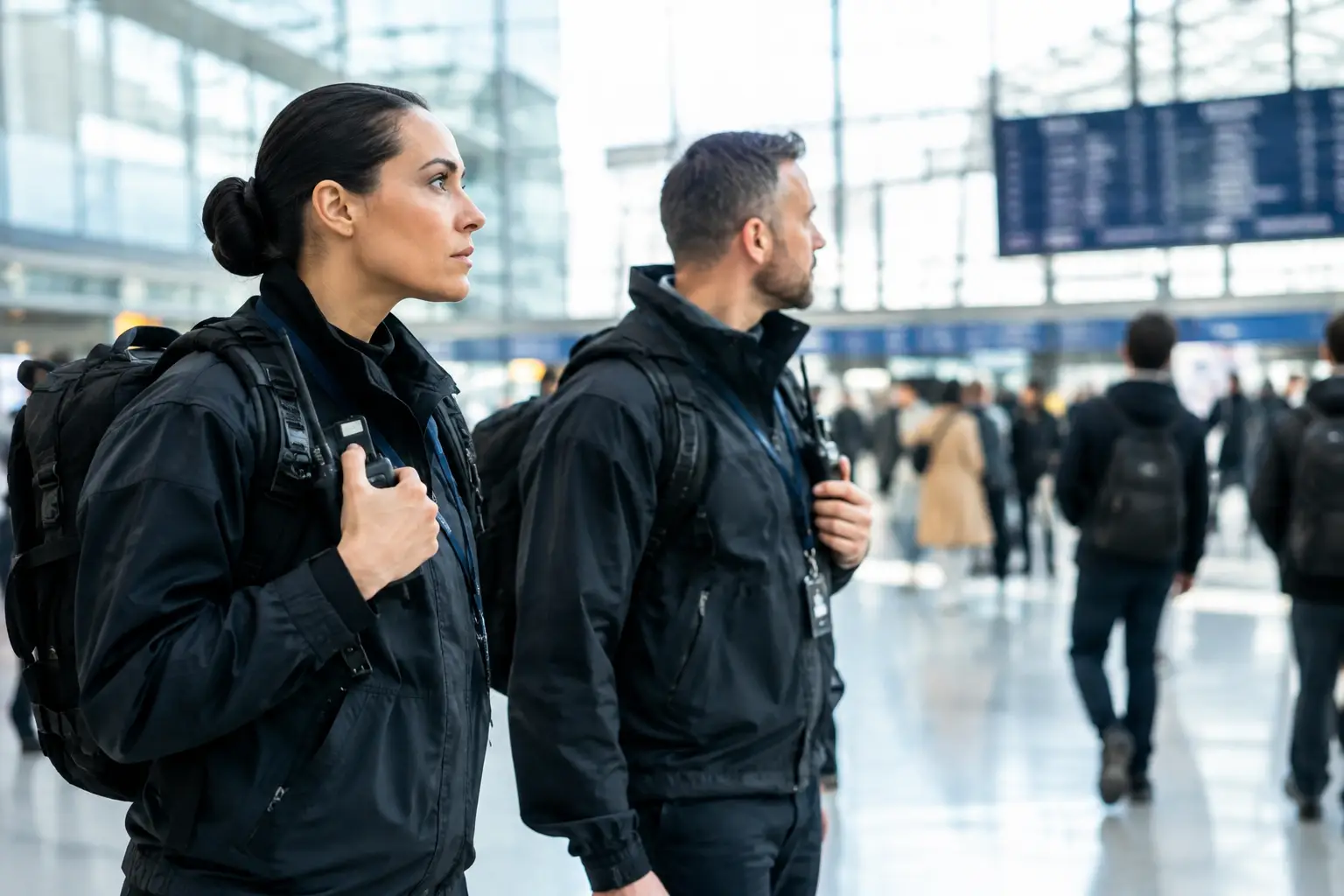
If your event plan still treats counter terrorism as a line item rather than an operating condition, that void will show the moment pressure arrives. An effective event terrorism preparedness checklist is not a paperwork exercise. It is a way to test whether people, plans and physical measures can still function when information is incomplete, time is short and the consequences are immediate.
For UK venues and event organisers, that distinction matters more now. Martyn’s Law has pushed counter terrorism preparedness higher up the agenda, but legal compliance on its own will not carry a team through a fast-moving attack, a hostile reconnaissance concern or a confusing evacuation. Capability does that. The checklist below is built around operational performance, not box-ticking.
What an event counter terrorism preparedness checklist should actually do
A useful checklist does three things. First, it forces clarity on what the event is trying to protect – people, access points, critical functions, VIP movements, transport interfaces or crowded public areas. Second, it exposes weak assumptions before an adversary does. Third, it creates a repeatable way to assess whether your team is genuinely ready, or simply familiar with the document.
That means the checklist cannot sit only with security. Event management, operations, facilities, guest services, contractors and senior decision-makers all affect the outcome. Terrorism preparedness at events is cross-functional by nature. If one part is weak, the rest absorbs the risk.
Event counter terrorism preparedness checklist: the core questions
Start with threat relevance. Not every event carries the same profile, and not every protective measure is proportionate. A city-centre public event with minimal standoff space presents different problems from a controlled corporate conference or a hospitality venue with regular VIP attendance. Your planning should reflect intent, attractiveness, accessibility and likely attack pathways.
Ask whether the current threat picture has been translated into practical decisions. Teams often receive intelligence summaries or broad alerts, but fail to convert them into changes in posture. If the threat level rises, what changes on the ground? More screening, different vehicle controls, revised queue management, more active patrol patterns, tighter staff reporting thresholds? If nothing changes, the information has not become capability.
Then examine your site through an adversary lens. Can a hostile actor approach without challenge, observe routines, test staff reactions or identify soft entry points? Crowded entrances, smoking areas, external queuing lanes and vehicle drop-off points remain persistent vulnerabilities because they combine density, predictability and distraction. You are not only asking where an incident could occur. You are asking where routine behaviour makes it easier.
Access control needs the same level of honesty. If bag checks are inconsistent, if accreditation can be bypassed, or if search staff are undertrained, the system may reassure management while offering limited security value. Visible measures matter, but only if they are competently delivered. Poor search discipline and weak escalation procedures can create a false sense of control.
Communication is another fault line. In a terrorism-related incident, delay rarely comes from lack of radios. It comes from uncertainty over who can make decisions, what language should be used, and how quickly accurate direction reaches the public, staff and emergency services. A strong plan defines command responsibilities early, identifies fallback communications and uses clear action thresholds. Ambiguity under stress is a risk multiplier.
People, training and behaviour under pressure
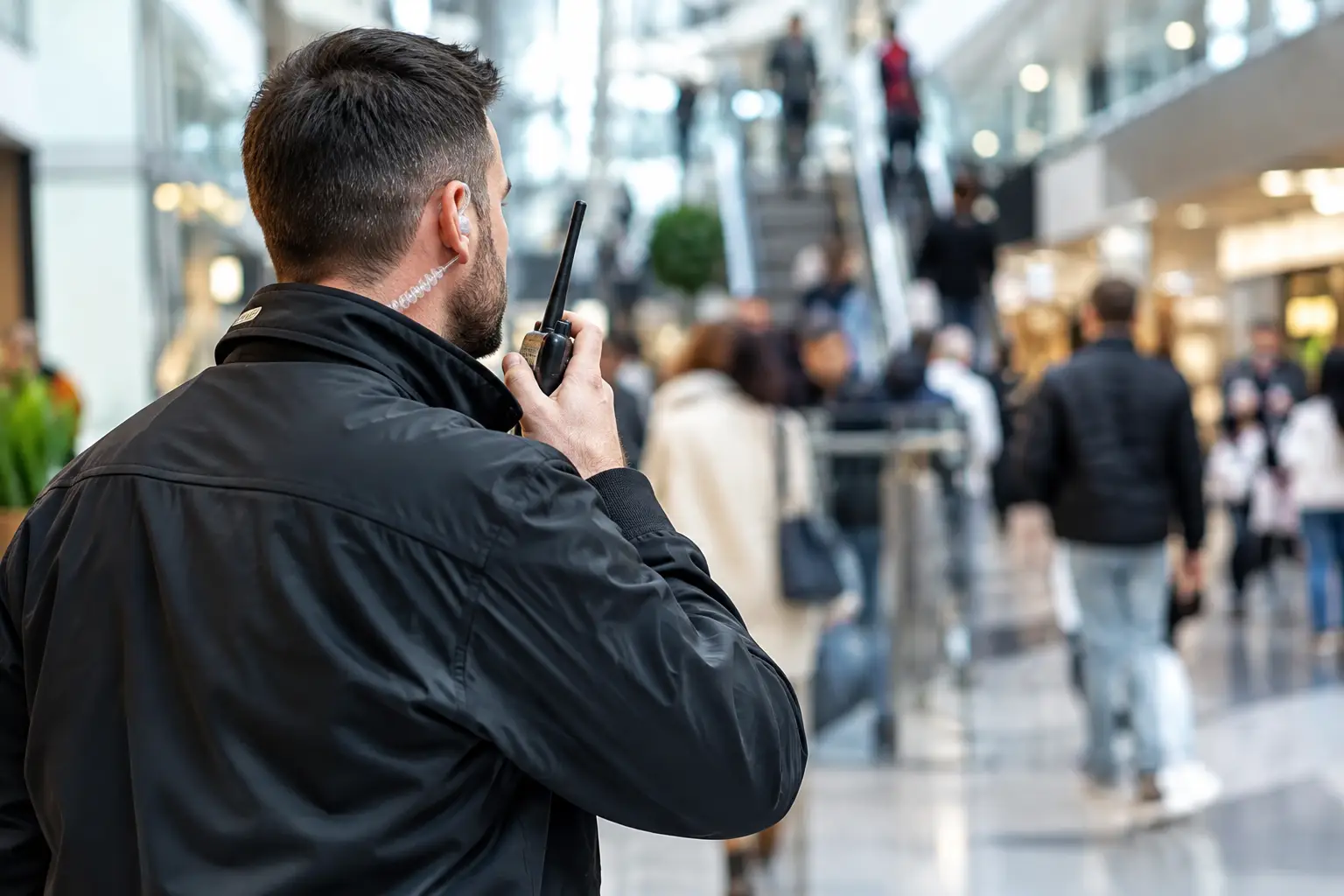
Preparedness depends on human performance more than most organisations like to admit. Staff do not need to be security specialists, but they do need to recognise suspicious behaviour, understand reporting channels and know what immediate actions look like in their area of responsibility. That is different from sitting through a generic briefing and signing attendance.
The better question is whether your teams can act with purpose when the situation is unclear. Can front-of-house staff challenge unusual behaviour confidently and lawfully? Can supervisors make early protective decisions without waiting too long for senior approval? Can contractors integrate into the response rather than becoming additional management burden? If the answer is uncertain, training has not gone far enough.
Behavioural indicators deserve particular attention. Many event teams focus heavily on items and entry screening but less on pre-attack behaviour, hostile reconnaissance and abnormal stress responses. That is a mistake. Good protective security is often about noticing the person, not just the package. Observation, reporting discipline and confidence in escalation should sit inside the checklist, not outside it.
Exercises are where this becomes real. Tabletop sessions help leaders test decisions. Walk-through drills expose practical friction. Short scenario-based discussions with supervisors often reveal more than lengthy policy reviews. If teams have never practised lockdown, invacuation, evacuation diversion or emergency rendezvous under realistic pressure, the plan is still theoretical.
Physical security and site readiness
Physical measures should support the operating model of the event, not fight against it. The aim is to reduce opportunities for attack, increase detection and buy decision time. Sometimes that means hostile vehicle mitigation, revised perimeter design or stronger zoning. Sometimes it means moving queues, changing public arrival patterns or redesigning the way deliveries are managed.
The checklist should cover perimeter integrity, public realm vulnerabilities, search locations, CCTV coverage, lighting, emergency exits and the security of back-of-house areas. It should also test whether critical systems are maintained and understood. A camera that records but is not actively monitored has limitations. A door alarm that staff routinely ignore is noise, not protection.
Medical readiness also belongs here. Not every terrorism incident is a large-scale marauding attack. Sharp-force assaults, vehicle attacks, improvised explosive devices and firearms incidents create different casualty patterns and access problems. The practical question is whether your event can manage immediate life-saving actions in the first minutes, before the wider emergency response takes hold.
Partners, contractors and command relationships
Most events rely on multiple delivery partners. That introduces complexity fast. Your checklist should confirm that contractors understand the threat context, know the reporting chain and can work within the event’s incident structure. A contractor with a separate plan, separate language and separate assumptions will slow the response when time is most valuable.
Police liaison and emergency service coordination should not be left until the week of the event. For higher-risk events, discussion around traffic management, rendezvous points, site access, command locations and public messaging needs to happen early. The point is not to outsource responsibility. It is to reduce confusion between agencies and the event team when conditions deteriorate.
Senior leadership also needs scrutiny. In many incidents, executives want oversight but accidentally create drag by inserting themselves into tactical decisions. Your structure should distinguish strategic direction from operational control. That sounds obvious in a planning room. It becomes less obvious when rumours spread, media attention rises and commercial pressure starts to compete with safety decisions.
Common weaknesses this checklist should expose
Three issues appear repeatedly. The first is overconfidence in static plans. Teams assume that because a document exists, readiness exists. It does not. The second is underinvestment in middle management capability. Supervisors and team leaders carry a large share of the real-time burden, yet they are often the least exercised. The third is poor integration between security, operations and customer-facing teams. When those functions plan separately, the incident will bring them together at the worst possible moment.
There is also a trade-off to manage between security strength and event experience. Too much friction at entry can create vulnerable queues outside the controlled space. Too little control can increase internal risk. The right balance depends on threat, audience, venue type and event profile. That is why templated advice falls short. Preparedness must be proportionate, but proportionate does not mean minimal.
Turning the checklist into capability
A checklist earns its value only when it drives action. That means assigning ownership, setting timelines and re-testing after changes are made. If a vulnerability is identified at accreditation, queue management or incident communications, there should be a named lead, a corrective measure and a date for validation. Otherwise the issue survives into event day.
It also helps to grade readiness honestly. Some organisations are compliant on paper but fragile in practice. Others are not perfect on documentation but have stronger frontline judgement and response discipline. The goal is to close both gaps. Mildot Group’s approach is built around that principle – turning theory into action and giving organisations a clearer view of their real capability under pressure.
The strongest event teams do not assume preparedness because they held a briefing and circulated a plan. They test, adapt and rehearse until critical actions are understood by the people who will actually carry them out. That is the standard worth aiming for, because when a threat emerges, your checklist stops being a planning tool and becomes a measure of whether your team can perform when it matters.
Useful Links:
.