A certificate is easy to print. Competence is harder to prove.
That is the real question behind cpd accredited security training. For security leaders, risk managers and practitioners working in demanding environments, the value of training is not whether it looks credible in a learning portal. It is whether people perform better when pressure rises, information is incomplete and decisions carry consequences.
In security, there is no shortage of courses. The market is full of programmes that promise awareness, compliance and professional development. Some are useful. Some are thin on substance. CPD accreditation can help buyers separate structured learning from unsupported claims, but accreditation alone is not the finish line. It is a marker, not a guarantee of operational value.
What cpd accredited security training should actually mean
At its best, cpd accredited security training gives learners and employers a clear baseline. It shows that a course has been assessed against recognised continuing professional development standards and that the learning has a defined structure, purpose and outcome. That matters in regulated, scrutinised or high-risk settings where professional development needs to be evidenced.
For individual practitioners, CPD accreditation can support career progression, demonstrate ongoing learning and help validate specialist development in areas such as protective security, counter terrorism awareness and behavioural risk. For organisations, it can support training records, governance requirements and workforce development plans.
But there is a catch. CPD accreditation tells you that a course has a credible learning framework. It does not automatically tell you whether the content is current, operationally realistic or taught by people who understand the environments your teams face. In other words, it confirms there is a training structure. It does not confirm that the training will hold up under real-world pressure.
Why accreditation matters – and where it falls short
There is good reason to value accredited learning. In many organisations, training budgets are scrutinised and every programme must show a legitimate professional benefit. A CPD-accredited course helps answer that challenge. It gives security managers a stronger case for investment and provides learners with recognised development they can record and present.
It also creates a level of consistency. When multiple teams, contractors or regional sites need access to common security learning, accreditation can support standardisation. That is particularly useful where organisations are trying to improve baseline awareness across estates, supply chains or mixed workforces.
Even so, accreditation has limits. A well-presented but generic course can still gain approval if it meets the required learning standards. That means buyers need to look beyond the badge. If your operating environment includes hostile protest, terrorism risk, insider threat, travel exposure, critical infrastructure vulnerability or VIP security concerns, generic content will only take you so far.
Security capability is built through relevance, clarity and application. If the course does not reflect credible threat patterns, practical decision-making and the realities of your sector, the learning may satisfy a development record without materially reducing risk.
How to judge CPD accredited security training properly
The first test is relevance. Ask whether the training speaks directly to the risks your people face. A course on protective security should do more than define terms. It should help learners recognise vulnerabilities, understand proportionate controls and make sound decisions in live environments.
The second test is authorship. Security training is stronger when it is designed by people with proven operational experience as well as teaching competence. Theory matters, but it should be anchored in practice. Learners quickly recognise the difference between content built from lived experience and content assembled from secondary research.
The third test is application. Good training changes what people do. That may mean improved site awareness, better incident reporting, more informed planning, stronger counter terrorism readiness or clearer judgement under stress. If the learning ends at information transfer, it is only halfway useful.
A final test is whether the course fits the audience. Senior decision-makers, frontline staff and specialist practitioners do not need the same level of detail. A strong provider understands that and builds training that is proportionate to role, risk and responsibility.
CPD accredited security training for organisations
For organisations, the strongest case for cpd accredited security training is not simply compliance. It is capability.
That distinction matters. Compliance-led training often produces a record that a course was completed, but little evidence that readiness improved. Capability-led training asks a harder question: are people now better prepared to prevent, recognise and respond to threats?
This is especially relevant for sectors facing elevated scrutiny or legal obligations around public protection and counter terrorism preparedness. Under frameworks such as Martyn’s Law, organisations are being pushed to think more seriously about practical readiness rather than passive awareness. In that context, accredited training has value when it forms part of a wider capability model that includes planning, exercising, risk assessment and operational ownership.
For corporate security teams, accredited eLearning can be highly effective when used well. It allows consistent delivery, supports dispersed workforces and creates a scalable foundation of knowledge. But eLearning should not be mistaken for a complete solution. If the threat profile is serious, digital learning works best when paired with scenario discussion, procedural review and leadership oversight.
That is where buyers need judgement. A low-risk office may need awareness and reporting discipline. A critical site, public-facing venue or executive protection function will need more depth, more context and more practical reinforcement.
What individual practitioners should look for
For the individual learner, accredited training can strengthen a CV, support promotion and demonstrate commitment to the profession. Yet the same rule applies: not all courses carry the same weight in practice.
A worthwhile course should sharpen professional judgement, not just add hours to a CPD log. It should help the learner understand how security principles apply in operational settings, where trade-offs are common and neat textbook answers rarely exist.
That includes knowing when a control is proportionate, when escalation is justified and when human factors are more dangerous than technical gaps. In modern security environments, behavioural risk, communication failures and poor assumptions can cause as much damage as physical vulnerabilities. Training that ignores that reality is incomplete.
Practitioners should also consider whether the course sits within a broader development path. One short module may improve awareness, but sustained professional growth usually comes from combining accredited learning with practical exposure, mentoring, exercises and reflection. The best training providers understand this and position learning as part of capability building, not a standalone transaction.
The difference between learning and readiness
One of the biggest mistakes in security development is assuming that completed training equals readiness. It does not.
Readiness is demonstrated in behaviour. It shows up in the quality of planning meetings, in the speed and accuracy of incident reporting, in the ability to identify hostile reconnaissance, and in how calmly teams work through ambiguity. Training can support all of that, but only if it is designed with operational outcomes in mind.
This is why strong security learning tends to be direct, realistic and disciplined. It does not overcomplicate. It does not rely on jargon to sound authoritative. It focuses on what people need to notice, decide and do.
For organisations with elevated exposure, this is not a minor distinction. Modern threats expose old security thinking. Policies alone do not create resilience. Documentation alone does not improve frontline judgement. Capability comes from people understanding the threat, their role within it and the action required when conditions change.
Choosing a provider with operational credibility
When assessing providers, credibility matters as much as accreditation. A provider may offer polished marketing and recognised course approval, but the harder question is whether they understand protective security as an operational discipline.
That means understanding how risk is managed in real organisations with real constraints – budgets, staffing pressures, inconsistent estates, contractor issues and competing priorities. It also means respecting the fact that no two clients have the same threat picture.
Providers with serious security backgrounds tend to approach training differently. They focus less on broad claims and more on what the learner will be able to do afterwards. They understand that resilience is not created by information alone. It is created by repeatable competence.
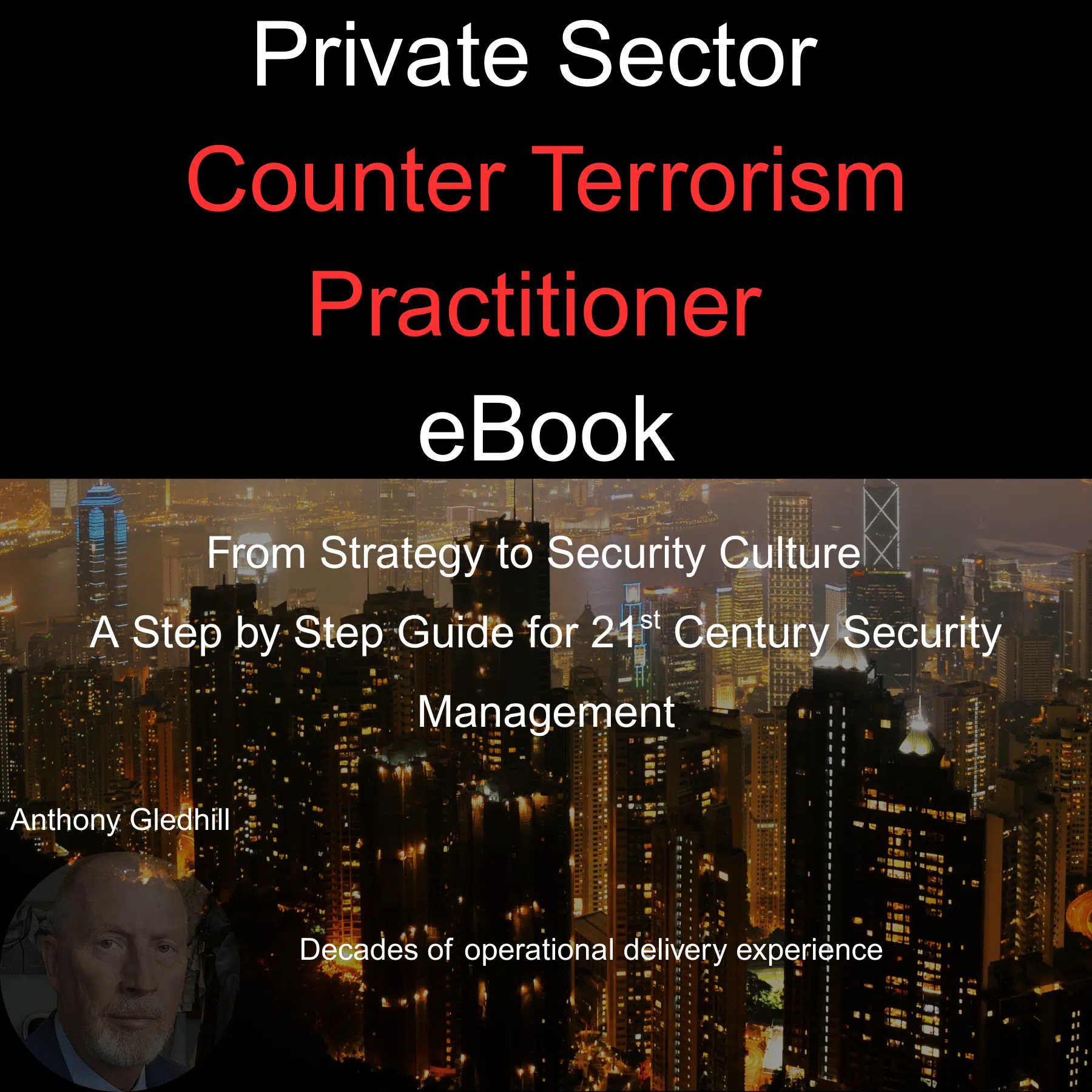
This is where Mildot Group’s approach reflects what the market increasingly needs: training that turns theory into action and supports practical performance, rather than adding another layer of paperwork.
Where accredited training fits in a stronger security model
The most effective use of cpd accredited security training is as part of a broader security improvement effort. It can raise baseline knowledge, create common language across teams and support professional standards. That is all valuable.
But if the goal is genuine risk reduction, training should connect to the rest of the system – threat assessments, security planning, operating procedures, exercises, leadership decisions and post-incident learning. When those elements align, accredited learning becomes more than a credential. It becomes a force multiplier.
If they do not align, even good training may have limited effect. People return from courses to processes that do not support action, managers who do not reinforce standards, or environments where known vulnerabilities remain unresolved. In those cases, the training was not the problem. The system was.
The right course, delivered at the right level, by the right provider, can sharpen judgement and strengthen resilience. That is the standard worth aiming for. In security, training should not just prove that learning happened. It should help people perform when it matters most.
Mildot Group 21st Century eLearning Solutions:
.