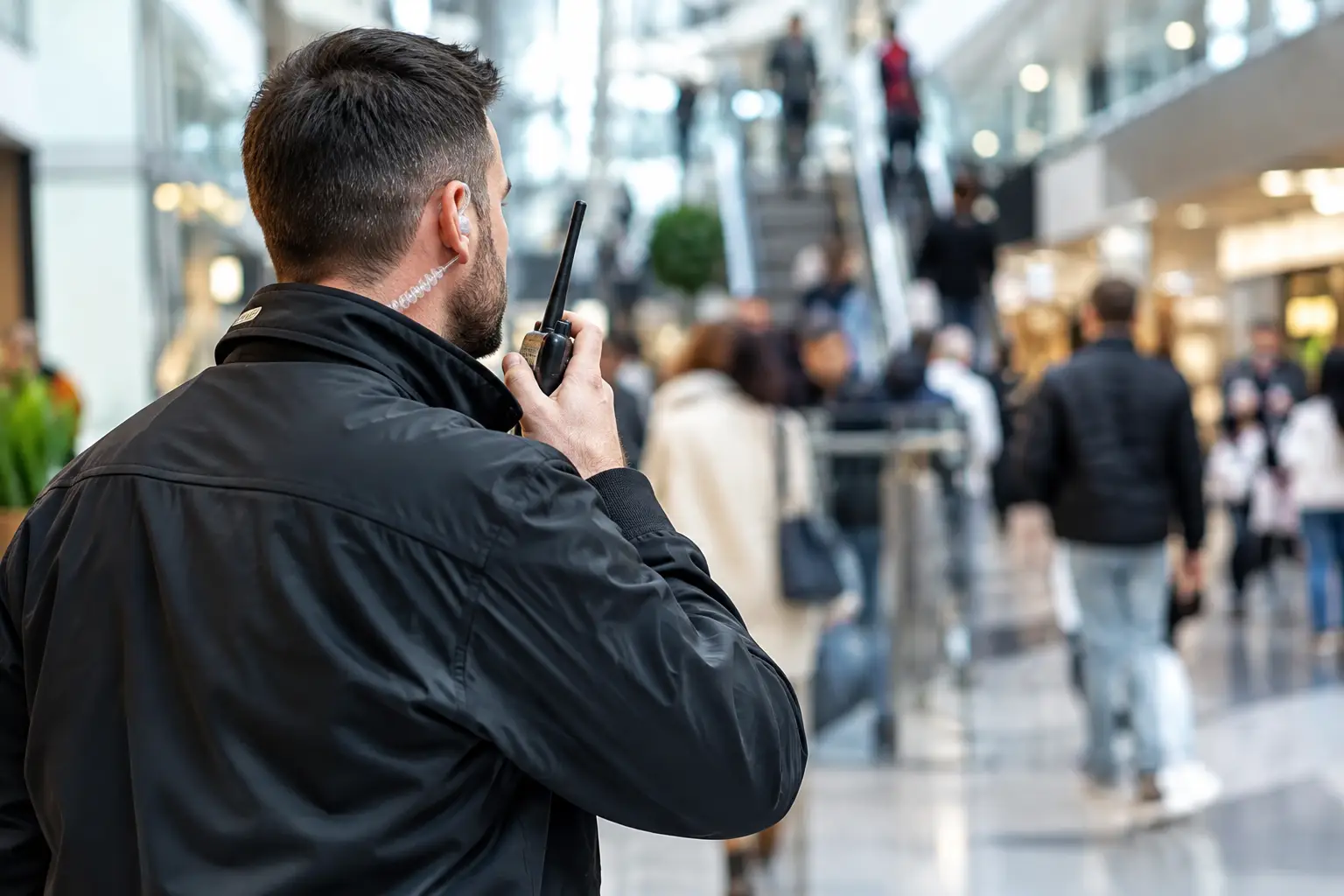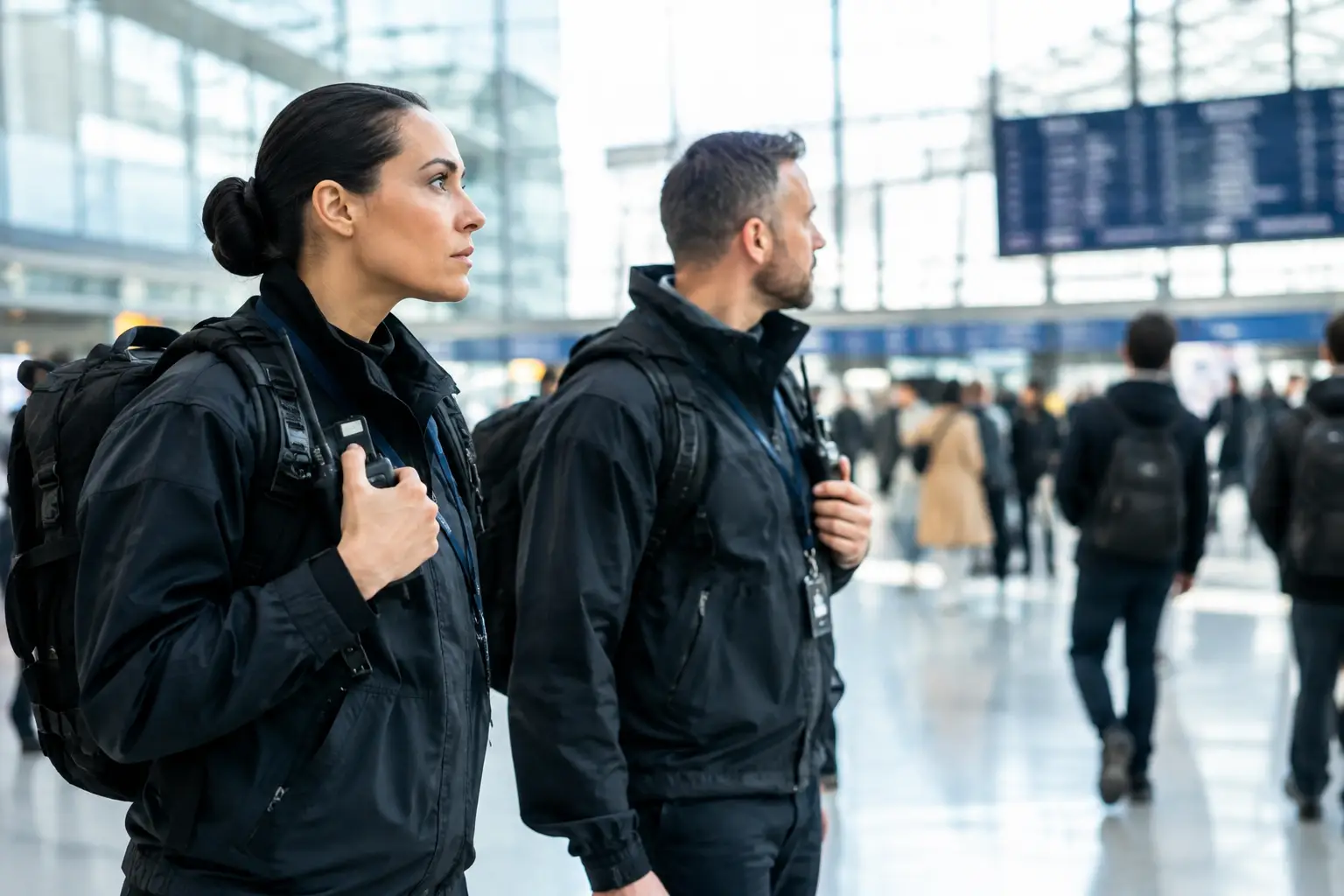
A person rarely makes their worst safety decision when everything is calm. It happens when they are rushed, distracted, overloaded or socially pressured into normalising something that feels wrong. That is where brain game personal safety becomes useful – not as a slogan, but as a way of training people to think better before pressure becomes failure.
For organisations with public-facing operations, mobile staff, lone workers, VIP exposure or a counter terrorism duty, this matters. Most security incidents are not caused by a total lack of policy. They come from missed cues, poor judgement, delayed action and misplaced confidence. If your people can read situations earlier, challenge assumptions faster and act with more discipline, you reduce real-world risk.
What brain game personal safety really means
The phrase can sound informal, but the principle is serious. Brain game personal safety is the deliberate improvement of how people notice, interpret and respond to risk. It sits at the point where behavioural awareness meets operational performance.
That includes recognising pre-incident indicators, understanding how stress distorts judgement, resisting social pressure, and making simple protective decisions quickly. In practice, it is less about teaching people to be fearful and more about teaching them to be switched on.
This is why traditional awareness briefings often underperform. They tell people what threats exist, but they do not always improve decision-making. Knowing that hostile reconnaissance happens is not the same as spotting it. Understanding that crowd density increases vulnerability is not the same as knowing when to pause entry, reposition staff or escalate concern. Capability is built through applied thinking, not passive information.
Why brain game personal safety matters in live operations
Modern threats expose old security thinking. A static checklist may support compliance, but it does not always help a supervisor make a better call at 18:40 on a busy Saturday when queues are building, tempers are rising and a staff member reports something that is not yet clear.
In those moments, people rely on mental shortcuts. Some are useful. Many are not. Staff dismiss anomalies because they do not fit the expected pattern. Managers delay escalation because they do not want to appear alarmist. Teams follow routine because routine feels efficient. This is how weak signals get missed.
Brain game personal safety addresses that gap by improving situational assessment under pressure. It gives people a stronger internal process. What am I seeing? What else could explain it? What is the simplest protective action available now? What needs reporting immediately?
For retail, events, hospitality and critical infrastructure settings, this shift is valuable because the operating environment is fluid. Customer behaviour changes. Access control pressure changes. Threat information changes. The right response depends on context, which means thinking quality matters as much as procedure.
The psychology behind poor safety decisions
People do not usually ignore risk because they are careless. More often, they ignore it because the brain is trying to save effort. Under stress, attention narrows. Familiarity creates false reassurance. Group behaviour shapes individual choices.
Three patterns appear repeatedly in incident reviews.
The first is normalcy bias. People assume that because nothing bad has happened yet, nothing bad is about to happen. They explain away warning signs and continue as normal.
The second is authority and social compliance. Staff often avoid challenging unusual behaviour if the person appears confident, senior, affluent or connected. In customer-facing environments, the pressure to remain polite can override the need to remain alert.
The third is task fixation. When teams are measured heavily on service speed, throughput or event flow, they can become blind to peripheral indicators. Performance metrics matter, but if they crowd out protective judgement, they create a vulnerability.
A credible brain game personal safety approach does not shame people for these tendencies. It trains them to recognise and interrupt them. That is a more realistic standard.
Brain game personal safety in teams, not just individuals
Personal safety is often framed as a lone responsibility. In operational settings, that is too narrow. Good decisions are shaped by team culture, reporting confidence, supervisor behaviour and the quality of pre-briefs.
If a team leader dismisses low-level concerns, reporting falls away. If escalation routes are vague, hesitation grows. If exercises are unrealistic, confidence becomes theatre. Individual awareness only goes so far when the system around it is weak.
That is why effective safety capability has to be built across the team. Frontline staff need practical awareness. Supervisors need decision discipline. Managers need a clear threshold for intervention and communication. The organisation needs enough structure to support judgement without slowing it down.
This is also where many compliance-led programmes fail. They produce evidence of activity rather than evidence of readiness. A signed attendance sheet proves very little. What matters is whether people can detect, decide and act when the situation is ambiguous.
How to build better judgement under pressure
Start with scenarios people will actually face. Generic presentations do not shift behaviour very far. Staff in a shopping environment face different pressures from venue operators, hotel teams or infrastructure personnel. The threat patterns overlap, but the cues, routines and decision points differ.
Training should focus on realistic indicators, practical intervention options and the consequence of delay. It should also include uncertainty. If every exercise has an obvious answer, you are not training judgement. You are training memory.
Language matters too. Overcomplicated terminology slows action. People need a clear framework they can recall under pressure. Observe. Assess. Decide. Report. Protect. The exact wording can vary, but the structure should be simple.
Repetition is essential. One briefing will not overcome years of habit. Teams need regular exposure to short, credible learning inputs supported by discussion, exercises and operational reinforcement. This is where digital learning and capability diagnostics can add value. Used properly, they identify where confidence is unsupported by competence and where improvement is actually needed.
What good looks like in practice
A stronger safety culture is visible in behaviour. Staff challenge anomalies earlier. Reporting becomes faster and more precise. Supervisors ask better questions before dismissing concern. Teams understand what protective action is proportionate rather than waiting for certainty.
There is a commercial benefit here as well. Organisations often worry that stronger security awareness will damage customer experience. Poorly delivered, it can. Well delivered, it usually improves professionalism. Calm, alert staff handle pressure better. They communicate more clearly. They create safer, more controlled environments without unnecessary drama.
The trade-off is that capability takes work. There is no shortcut in which a policy document creates resilient performance. If you want staff to make better decisions, they need realistic preparation, reinforced expectations and leaders who model good judgement consistently.
For organisations preparing for Martyn’s Law duties, that distinction is especially important. Legal compliance may set a baseline, but baseline is not the same as readiness. Readiness is what happens when plans meet confusion, time pressure and incomplete information.
The limits of awareness on its own
Awareness is necessary, but it is not enough. A person may recognise suspicious behaviour and still fail to act because they are unsure who to tell, fear overreacting or believe someone else will handle it.
That means brain game personal safety should sit inside a wider capability model. Reporting pathways must be clear. Escalation must be credible. Supervisors must be accessible. Exercises must test what happens after recognition, not just recognition itself.
There is also a balance to strike. Over-sensitised teams can become noisy, escalating everything and losing discrimination. Under-sensitive teams miss critical signals. The aim is not maximum suspicion. It is calibrated awareness supported by disciplined response.
This is where experienced protective security input makes a difference. The best programmes do not just raise concern levels. They improve pattern recognition, decision quality and response confidence in the environments where people actually work. That is how theory turns into action.
From information to operational capability
If you want better outcomes, ask a harder question than whether training has been delivered. Ask whether your people think more clearly when something feels off.
That is the real value of brain game personal safety. It sharpens perception, reduces hesitation and improves decision-making when the situation is not neat. In operational security, that gap between seeing and acting is often where risk either grows or gets contained.
Mildot Group’s approach to capability development is built around that reality. Real improvement comes from preparing people for pressure, ambiguity and consequence – not from producing paperwork that looks reassuring from a distance.
The useful test is simple. When routines break down, can your people still recognise risk and make sound protective decisions? If the answer is uncertain, that is where the work should begin.
Useful Links:
.