A security incident rarely announces itself in a convenient format. Information arrives incomplete, staff look for direction, commercial pressures remain, and the consequences of delay can grow quickly. Battlefield to boardroom leadership matters because it develops the habits required to make sound decisions when certainty is unavailable.
For security leaders, this is not about importing military language into a corporate setting. It is about applying proven principles of preparation, command, judgement and accountability to protect people, operations and reputation. The strongest leaders create capable teams before the pressure arrives, then give those teams the confidence to act when it does.
What battlefield to boardroom leadership really means
Military experience can offer valuable lessons, but rank alone does not make an effective business leader. The boardroom has different constraints: legal duties, commercial priorities, diverse stakeholders, public scrutiny and a workforce that must be led rather than merely directed.
The useful transfer is not a command and control model. It is disciplined leadership. That means understanding the mission, setting clear intent, assessing risk honestly, allocating responsibility, communicating simply and reviewing performance without excuses.
In a protective security context, this approach turns theory into action. A counter terrorism plan is only valuable when the people named within it understand their role, can recognise an emerging threat and can make proportionate decisions under pressure. Documentation may support assurance. Capability reduces real-world risk.
Clear intent prevents hesitation
During an incident, teams do not need a lengthy policy read aloud to them. They need to know what matters most, what authority they hold and what a good outcome looks like. This is where leadership intent becomes operationally useful.
A clear intent might state that safeguarding life takes priority over maintaining normal trading, that suspicious activity must be escalated without fear of embarrassment, or that a venue will move rapidly to a defined protective posture when credible intelligence is received. The exact wording will vary by organisation, site and threat profile. The principle does not.
Leaders should communicate intent before an event, not attempt to invent it in the moment. Security teams, duty managers, front-of-house colleagues and contractors must understand how their actions contribute to it. If they do, they can adapt when a plan meets a situation it did not predict.
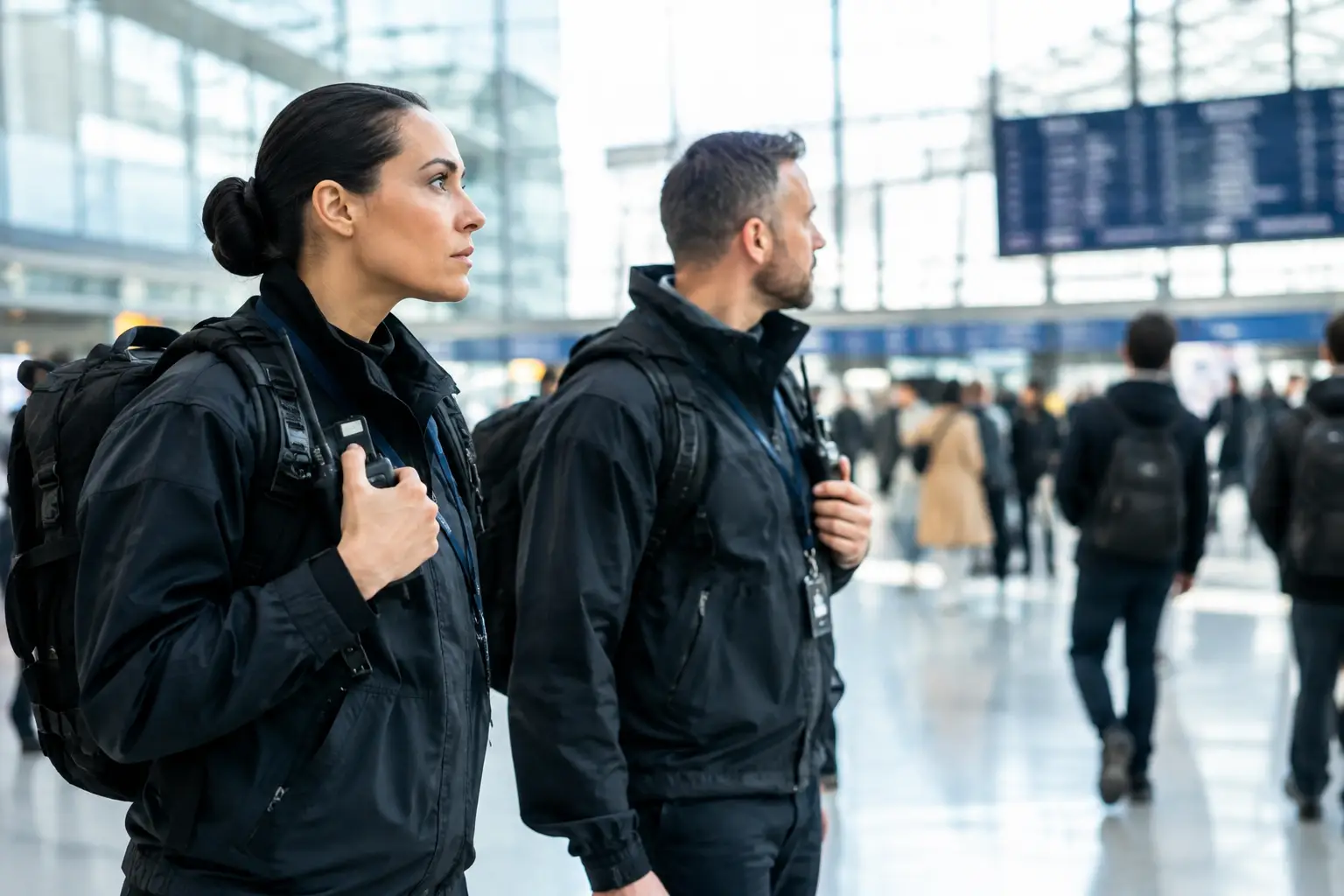
This matters across retail estates, hospitality venues, major events, transport-linked sites and critical infrastructure. A central security function may set standards, but the first consequential decision is often made by someone on the frontline.
Direction is not the same as micromanagement
Under pressure, some leaders try to control every decision. It can feel decisive, yet it often creates bottlenecks and slows the response. Others give broad instructions with no practical boundaries, leaving staff exposed to uncertainty.
The better balance is defined freedom of action. Set non-negotiables, establish escalation routes and make decision thresholds clear. Then allow trained people to use their judgement within those limits.
For example, a site leader may not need head-office approval to isolate an unattended item, pause entry or request emergency support where the risk assessment justifies it. The organisation must decide those authorities in advance, train them and stand behind reasonable decisions made in good faith.
Build judgement, not compliance theatre
Modern threats expose old security thinking. A checklist can confirm that a briefing took place; it cannot confirm that the recipient understood what to do when behaviour, context and available information do not fit a neat category.
Battlefield to boardroom leadership places judgement at the centre of preparedness. It asks whether teams can spot change, challenge assumptions, communicate concerns and select a proportionate response. This is especially relevant to behavioural risk, where the warning signs may be subtle and where a poor interaction can escalate an already difficult situation.
Leaders should test for practical understanding. Can staff explain the site’s threat picture in plain language? Do they know how to report concerns? Can they distinguish between an immediate emergency, a developing security issue and an observation that needs recording and review? Are supervisors able to make a decision, explain it and account for it afterwards?
Capability evaluation, scenario-based learning and structured debriefs are more valuable than passive completion records. They reveal where confidence is genuine, where knowledge is weak and where a procedure cannot be delivered in the conditions it was designed for.
Prepare teams for friction
Plans tend to assume working radios, available managers, accurate information and enough time. Real incidents introduce friction: conflicting reports, absent colleagues, crowd movement, technical faults, language barriers and competing demands.
Operationally credible leadership anticipates this. It does not seek perfect plans. It builds teams that can continue to function when the plan is disrupted.
That preparation begins with realistic exercises. A tabletop discussion has value when it tests decisions and dependencies, rather than simply confirming that people have read the plan. Live or simulated activity can go further by testing communications, access arrangements, emergency roles, contractor coordination and leadership visibility.
The question is not whether an exercise went smoothly. It is whether it exposed the point at which people became uncertain, overloaded or unable to act. That is the point that requires improvement.
Debriefs must be honest and useful
A disciplined debrief is not an exercise in blame, nor is it a polite discussion that avoids the difficult issue. It examines what happened, why it happened and what should change.
Leaders should distinguish between individual error, unclear instruction, inadequate training, poor equipment, unrealistic workload and weak supervision. These factors can overlap. Treating every failure as a person problem often conceals the system weakness that will produce the same result again.
Good debriefs result in named actions, realistic deadlines and ownership. They also capture what worked. Teams need to know which behaviours protected people and supported an effective response, so those behaviours become normal practice.
Lead across the organisation, not only within security
Security leaders cannot create resilience alone. The most effective arrangements bring together operations, facilities, HR, communications, legal advisers, event teams and senior decision-makers. Each function sees a different part of the risk.
This requires influence as well as expertise. A board does not need every technical detail, but it does need a clear view of exposure, consequence, readiness and investment priorities. Avoid presenting security as a collection of isolated problems. Explain how a vulnerability could affect people, continuity, regulation, insurance, customer confidence and the ability to operate.
Equally, security leaders must understand commercial reality. A recommendation that cannot be delivered within the operating model is not yet a solution. There will be trade-offs between cost, convenience, customer experience and protective measures. The right answer depends on the threat, the site, the people at risk and the organisation’s risk appetite.
That does not mean accepting avoidable exposure. It means making the decision visible, informed and accountable. Senior leaders should know which risks are being reduced, which are being accepted and what capability is needed to manage the remainder.
The leadership behaviours teams notice
Teams judge leaders most closely when conditions are difficult. They notice whether instructions remain calm and clear, whether leaders are visible, whether they listen to those closest to the issue and whether standards apply consistently.
Credibility is built through competence and conduct. A leader who asks direct questions, checks assumptions and takes responsibility for a decision creates confidence. A leader who overstates certainty, shifts blame or treats concerns as inconvenience weakens reporting culture at the moment it is most needed.
There is also a vital difference between composure and detachment. Calm leadership should make people feel supported, not dismissed. In high-pressure environments, staff may be managing fear, fatigue or the aftermath of a distressing event. Clear welfare arrangements and thoughtful follow-up are part of operational resilience, not a separate concern.
Make leadership a tested capability
Organisations often assess policies, systems and physical measures while leaving leadership largely untested. That is a gap. The person who must decide whether to stop operations, initiate a response, communicate with stakeholders or escalate to emergency services carries significant responsibility.
Assess leaders through realistic scenarios, structured capability diagnostics and practical review. Test their ability to interpret incomplete information, prioritise life safety, delegate effectively, maintain an audit trail and recover operations appropriately. Repeat the assessment as roles, sites and threats change.
Mildot Group’s approach is built around this operational reality: resilience is not a document on a shared drive. It is the ability of people and teams to recognise risk, make decisions and act with purpose when the situation becomes uncertain.
The most valuable leadership lesson from the battlefield is straightforward. Prepare people well, trust trained judgement and remain accountable for the outcome. When pressure comes, that discipline gives organisations more than a plan. It gives them the ability to perform.
.
Useful LInks:
.