A counter terrorism learning platform should do more than record that people have completed a module.
The best counter terrorism training platforms show whether staff can recognise risk, make sound decisions and apply protective security measures when time is limited and information is incomplete.
For organisations preparing for Martyn’s Law, protecting crowded places or managing higher risk operations, that distinction matters.
A completion certificate may support an audit trail.
It does not, by itself, prove that a receptionist, venue manager, control room operator or security leader will identify hostile reconnaissance, report a concern correctly or lead an effective initial response.
The right platform turns theory into action.
It gives people relevant knowledge, tests their judgement and gives leaders a clear picture of where capability is strong, weak or unproven.
What makes a counter terrorism platform effective?
The strongest platforms are built around operational outcomes, not generic awareness content.
They recognise that counter terrorism readiness has several layers.
A broad workforce needs clear, proportionate awareness. Supervisors need to manage incidents, communicate decisions and maintain protective routines. Specialist practitioners need deeper knowledge of threat assessment, security planning, vulnerability reduction and operational assurance.
One course rarely serves all three groups well.
A platform that treats every learner identically can leave frontline staff overwhelmed and experienced practitioners under challenged. Look for learning routes that reflect actual roles, risk exposure and responsibility.
Scenario based learning is particularly valuable.
People remember a policy, but some applied stress exposes whether they can use it.
A well designed scenario might test how a team member responds to suspicious behaviour near an entrance, an unattended item during a busy event, or information suggesting a possible hostile reconnaissance attempt.
The aim is not to create drama.
It is to rehearse observation, escalation, communication and decision making.
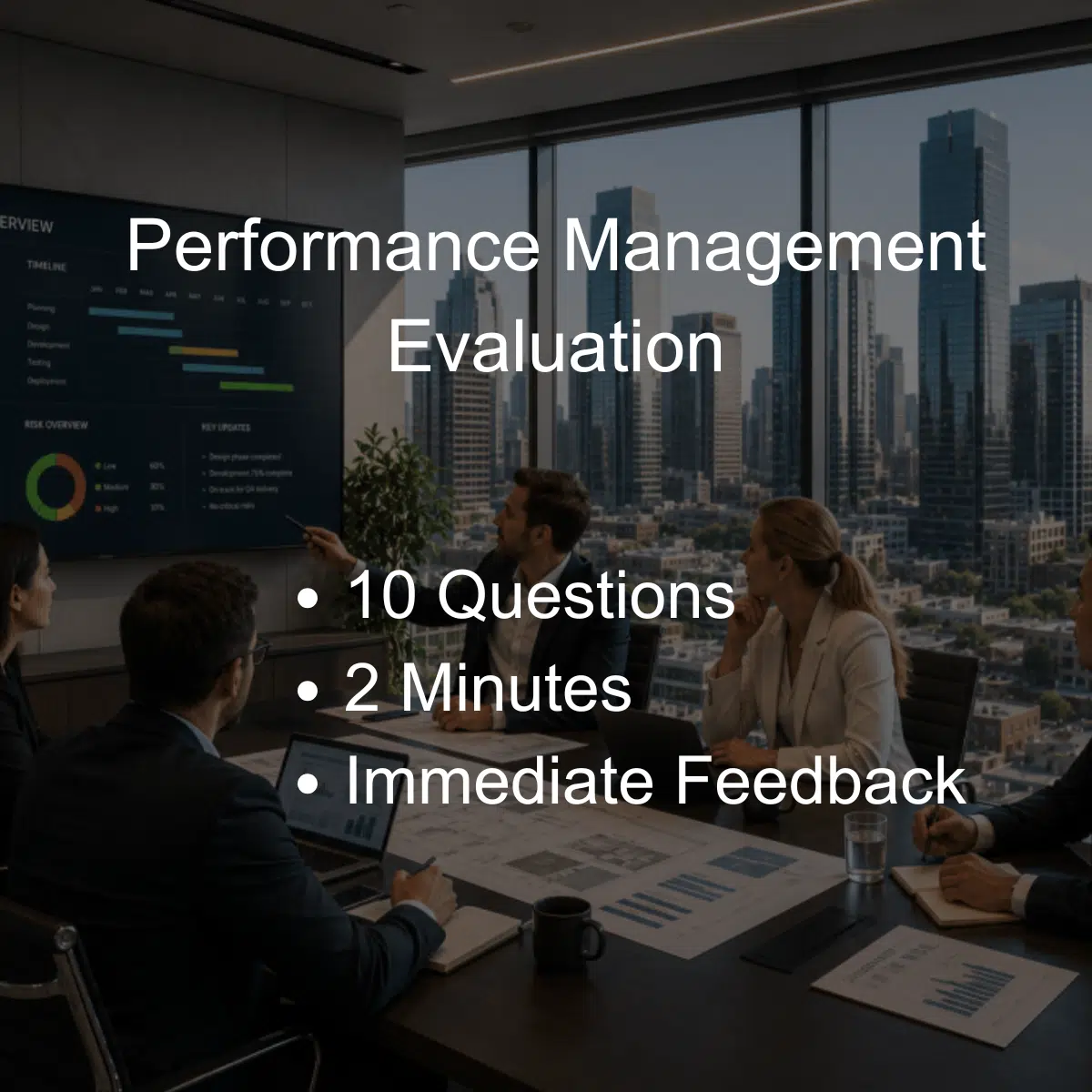
Immediate feedback is equally important.
Learners need to understand not only whether an answer was right, but why it was right, what the risk indicators were and what action should follow.
That is where assessment becomes development rather than a simple pass or fail exercise.
The best counter terrorism training platforms assess capability
There is a material difference between an eLearning library and a capability diagnostic platform.
Both can have a place, but they solve different problems.
An eLearning platform delivers structured knowledge at scale.
It can support induction, refresher training and consistent messaging across dispersed teams. This is useful for retail estates, hospitality groups, event operations and corporate environments where staff turnover or multiple locations make face to face delivery difficult.
A capability evaluation platform goes further.
It assesses an individual’s understanding and judgement against defined protective security and counter terrorism requirements, then provides feedback that identifies development needs.
For security managers, this creates evidence for targeted training, recruitment decisions, practitioner development and organisational assurance.
The most useful systems combine both functions.
They allow an organisation to establish a baseline, provide relevant learning, reassess progress and identify persistent gaps.
That cycle is far more valuable than issuing the same annual module and assuming readiness has improved.
Mildot Group’s counter terrorism capability evaluation approach is designed around this requirement, immediate feedback, meaningful diagnostic insight and educational information that supports private sector practitioners and organisational teams to improve performance.
Choose the platform against the risk, not the catalogue
A polished platform is not automatically the right platform.
Procurement should begin with the organisation’s threat, vulnerability and risk profile.
A city centre hotel hosting high profile guests faces different risks from a regional distribution site, a shopping centre, a large public event or an energy operation with remote infrastructure.
Start by asking what decisions people must make.
Do staff need to recognise suspicious activity and report it? Do managers need to assess a venue’s vulnerabilities, manage evacuation and liaise with emergency services? Do security professionals need to evaluate security measures, advise senior leaders and oversee improvement programmes?
The answers should shape the learning and assessment pathway.
It also depends on the maturity of the existing security operation. An organisation with established procedures may need a diagnostic tool that exposes weak understanding or uneven standards between sites.
A business beginning its Martyn’s Law preparation may need accessible awareness training first, followed by deeper assessment for nominated responsible personnel.
Avoid buying on content volume alone.
Hundreds of courses can create choice paralysis and often include material with little relevance to the learner’s role.
Focus on relevance, quality of feedback, assessment integrity and the ability to demonstrate improvement over time.
Questions to ask before you buy
A credible provider should be able to explain how its platform improves capability, not simply how it hosts content.
Ask whether the material is current, operationally grounded and suitable for your sector. Generic security messaging can be useful at entry level, but it cannot replace content shaped by real protective security practice.
You should also ask how learner performance is measured. Completion data is basic administration. Better platforms show assessment results, recurring knowledge gaps, group trends and progress after further learning.
This gives risk leaders a basis for action, whether that means focused coaching, revised procedures or additional specialist support.
Consider accessibility and deployment.
Frontline teams need learning that works on the devices they actually use and can be completed in manageable sessions.
Managers need reporting that is clear enough to use without spending hours interpreting spreadsheets. International organisations may also need consistent standards across locations while retaining the flexibility to account for local operating conditions.
Finally, examine the level of support behind the platform.
Software cannot replace professional judgement. Where a diagnostic identifies a significant gap, the provider should have the expertise to explain the operational implications and help turn findings into a proportionate improvement plan.
Common mistakes that weaken training value
The first mistake is treating counter terrorism training as a compliance task.
Compliance matters, particularly where legal duties and stakeholder assurance are concerned. But a workforce that has clicked through a course without retaining or applying its content is not better prepared.
The second is relying on awareness training for specialist roles.
Awareness gives people a shared language and basic reporting confidence. It does not equip a security manager to conduct a meaningful vulnerability review, develop a security plan or evaluate whether current measures would withstand a credible threat.
The third is failing to test after training.
Without assessment, leaders are left to assume learning has occurred. Without feedback, learners are left to repeat errors. Both gaps reduce the return on training investment.
The fourth is separating learning from operational practice. Training should reinforce real reporting routes, site procedures, incident roles and decision thresholds.
If the platform teaches one process while local instructions say another, uncertainty will appear at precisely the wrong moment.
Turning platform data into stronger readiness
The value of a training platform is realised after people log out.
Review results by role, team, site and topic. A low score in suspicious activity recognition may indicate a training need.
A weak result in escalation procedures may reveal that the process itself is unclear, impractical or poorly communicated.
Use those findings to direct effort.
Brief teams on the precise issue. Run short scenario discussions with supervisors. Test reporting arrangements. Review physical measures where learners repeatedly identify vulnerabilities.
For high risk environments, combine digital assessment with exercises, leadership workshops and specialist security review.
This creates a more honest view of readiness.
Organisations do not need every employee to become a counter terrorism practitioner. They need each person to understand their role, act within it and escalate concerns quickly.
They need leaders who can turn information into decisions, and practitioners who can challenge weak assumptions before an incident does it for them.
The best platform is therefore the one that fits your operating risk, gives credible evidence of competence and creates a clear route from a detected gap to improved performance.
Select it with the same discipline you would apply to any other critical protective security control.
When the incident arrives, capability is what remains.
.
Useful Links:
.