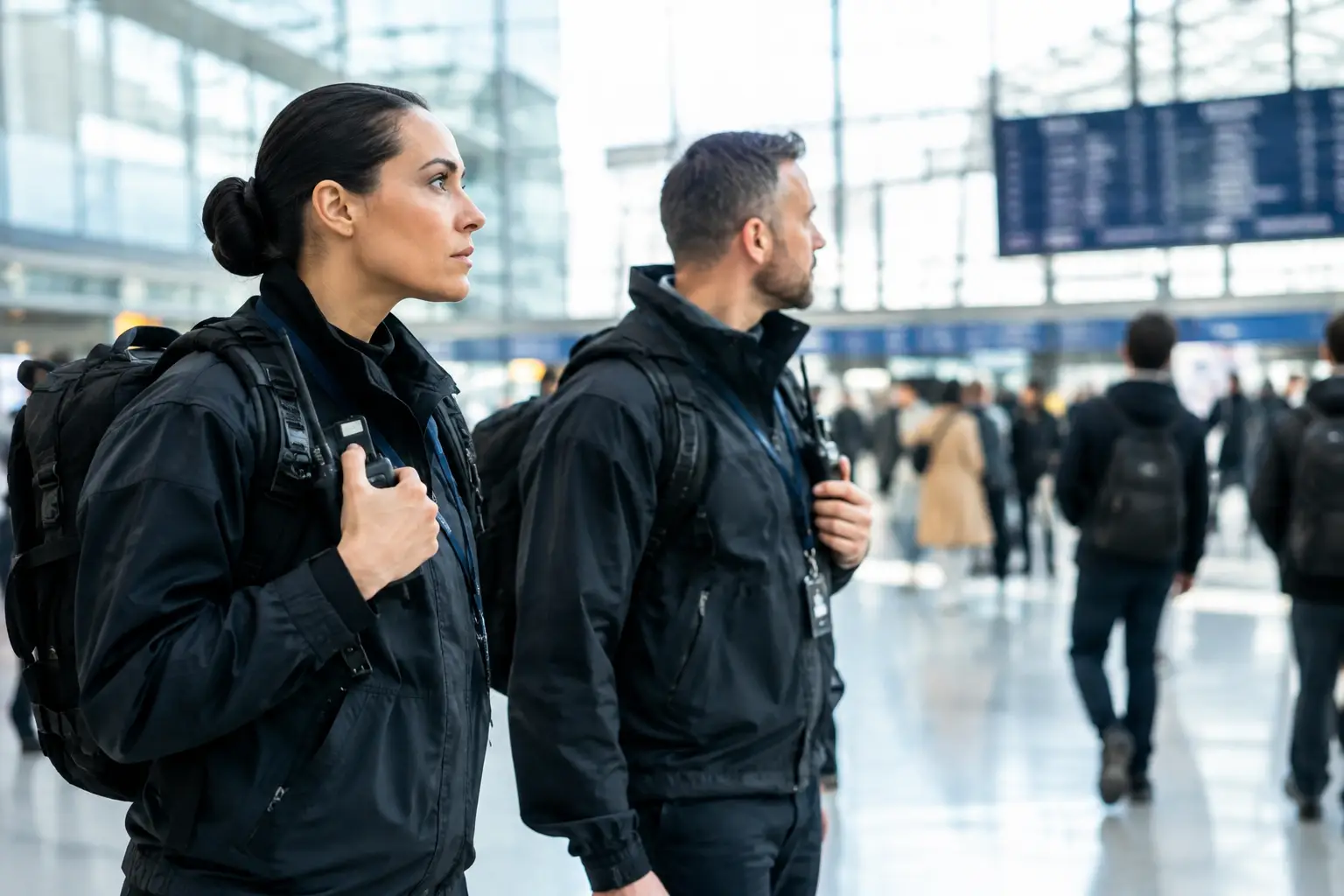
A credible organisational and practitioner security capability evaluation should do one thing well – show whether your people, plans and systems will perform when pressure hits. That matters for security managers, operations leads and duty holders because a neat file of policies does not stop an attack, manage panic or recover a site. Capability is proven in execution.
For organisations facing terrorism risk, hostile incidents, public crowd pressures or high-consequence disruption, assessment must move beyond compliance. The real test is whether leaders can make sound decisions quickly, whether teams know their role, whether security measures match the threat, and whether recovery is practical rather than theoretical. That is where a proper capability evaluation earns its value.
What a security capability assessment example should cover
A useful assessment/evaluation looks at how security works as an operating function, not as a stack of separate controls. It tests whether governance, planning, physical measures, technology, training and response arrangements support each other. If one part fails, the rest can be undermined.
In practice, the assessment should examine threat understanding, risk ownership, site-specific vulnerabilities, command and control, protective measures, incident response, communications, training quality, contractor oversight and improvement processes. For some organisations, behavioural performance under pressure also needs close scrutiny. A plan can be technically sound and still fail if supervisors freeze, escalate confusion or delay decisions.
The standard of evidence matters. Strong evidence includes exercised plans, maintenance records, incident logs, training completion with quality checks, role clarity, escalation thresholds and proof that lessons learned have been acted on. Weak evidence is broad policy wording with no operational validation.
Security capability assessment example for a public venue
Consider a mid-sized entertainment venue with regular weekend footfall, agency staff, an in-house operations team and a duty to improve counter terrorism readiness. Senior leadership believes the site is well prepared because CCTV is extensive, bag search procedures exist and staff complete annual briefing packs. The assessment tests whether that confidence is justified.
1. Scope and objective
The stated objective is to assess the venue’s capability to deter, detect, delay, respond to and recover from a hostile incident involving a marauding attacker, suspicious item or vehicle-borne threat. The scope includes perimeter security, entry procedures, control room function, communications, evacuation and invacuation plans, liaison with emergency services, and supervisor decision-making.
This matters because many assessments fail at the first step. They measure everything lightly rather than the right things properly. Capability must be tied to credible operating risks.
2. Assessment method
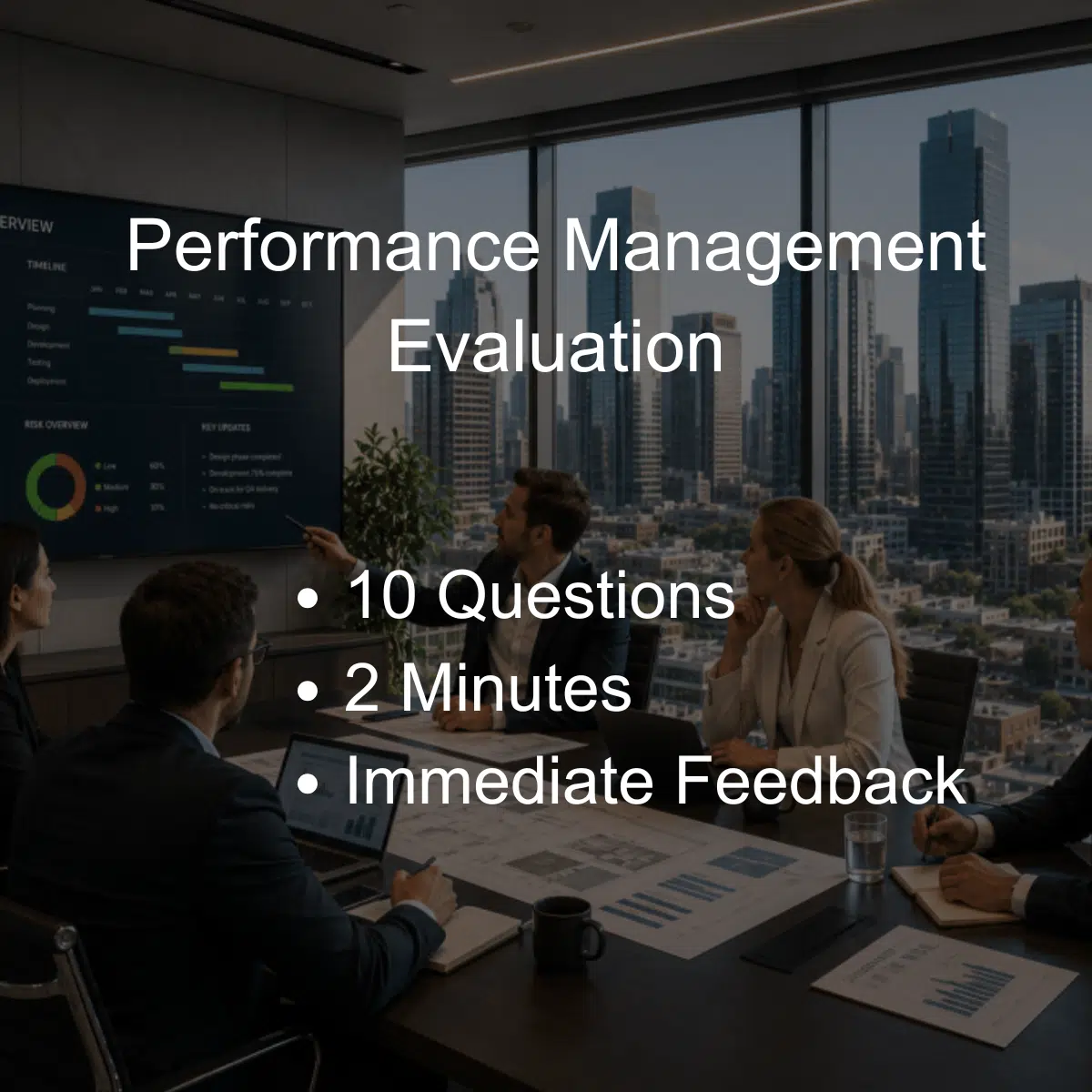
The review can use on site document analysis, site inspection, structured interviews and a short scenario-based discussion with duty managers. Or, the Mildot Group On Demand Organisational Evaluation Platform. Each area is scored on a maturity scale from 1 to 5, where 1 is ad hoc, 3 is established but inconsistent, and 5 is tested, measured and continuously improved.
That scale is not the point on its own. What matters is the narrative behind the score. A site may score a 3 for access control because procedures exist, but if temporary staff apply them inconsistently at peak periods, the operational risk remains high.
3. Example findings
Threat understanding is rated 2. Senior managers are aware of general terrorism risk, but there is no current local threat briefing process and no routine review of attack methodologies relevant to the venue layout. Risk understanding is present in broad terms, not translated into specific planning assumptions.
Physical security is rated 3. CCTV coverage is good, hostile vehicle mitigation is partially in place, and public access routes are visible. However, queue protection is weak at busy times and search arrangements become diluted when arrival surges build. That is a familiar problem in hospitality and events environments – the control exists until commercial pressure stretches it.
Command and control is rated 2. Duty managers know they lead an incident, but thresholds for lockdown, evacuation and emergency service escalation are not defined clearly enough. Radio discipline is poor. There is no common operating picture process between front-of-house, security and control room staff.
Training and exercising are rated 2. Staff have completed awareness briefings, yet most cannot explain the difference between evacuation and invacuation triggers. Supervisors have not practised fast-time decision-making in realistic scenarios. Annual completion data looks acceptable, but capability is thin.
Incident response planning is rated 3. Plans exist and are readable. Assembly areas are designated. Emergency contacts are current. The weakness is validation – the venue has not tested how plans work during a full-capacity event, at night, or with mixed permanent and agency staffing.
Continuous improvement is rated 2. Incidents are logged, but near misses and procedural breaches are not analysed in a structured way. Lessons are noticed and discussed, then often lost.
4. Overall judgement
The venue is compliant in parts, but not consistently capable. Its strongest features are visible security measures and committed local leadership. Its weakest features are decision-making under pressure, surge-time control discipline and the absence of repeated practical exercising. In plain terms, the site looks more prepared than it is.
What this example tells decision-makers
The purpose of a security capability evaluation examples is not to produce a pass or fail badge. It is to expose where confidence outruns competence. That distinction is critical under Martyn’s Law and wider protective security obligations, because scrutiny is moving towards practical readiness, not just documented intent.
A common mistake is to focus spending on equipment before understanding operational failure points. If supervisors cannot interpret developing threats, if agency staff receive only a rushed briefing, or if control room information is not shared cleanly, new hardware will not fix the problem. Capability is built through integration.
It also depends on risk appetite and operating model. A corporate office with controlled access and stable occupancy will need a different assessment emphasis from a shopping centre, hotel, transport hub or energy site. The framework can stay consistent, but evidence thresholds and scenario testing should reflect the environment.
How to use a security capability assessment example in your own organisation
Start with the mission. What do you need security to achieve during normal operations, elevated threat periods and active incidents? If the answer is vague, the assessment will be vague as well.
Then define the credible threat set. For many UK organisations, that may include terrorism, hostile reconnaissance, insider-enabled compromise, vehicle attack, public disorder or targeted violence. Avoid generic wording. The site, audience, timings and business model change the risk picture.
After that, test the operating system as a whole. Review governance and accountability, but spend equal time on practical delivery. Watch briefings. Walk the site. Ask supervisors how they would manage conflicting priorities. Examine whether contractors and temporary staff are folded into the same standard.
Scoring helps prioritise investment, but only if it is backed by operational commentary. A low score without explanation creates activity without direction. A clear finding such as, “search procedures degrade during peak ingress because staffing ratios and queue design are misaligned,” gives leaders something they can fix.
Finally, convert findings into a phased improvement plan. Some actions are immediate, such as clarifying incident triggers, tightening supervisor briefings or updating control room actions. Others require capital, redesign or culture change. Not every gap can be closed at once, so prioritisation should follow risk and consequence, not convenience.
What good looks like after assessment
A strong organisation does not just complete an assessment and file it. It uses the result to improve performance. That means clearer ownership, realistic exercising, sharper role definition, better use of intelligence, and evidence that lessons have changed practice.
For high-footfall venues, hospitality, retail, infrastructure and corporate estates, the benchmark is straightforward. Teams should understand the threat they face, know what action to take, communicate clearly, and maintain control when conditions deteriorate. That is the standard stakeholders, regulators and the public increasingly expect.
This is also where digital evaluation tools can add value. Used properly, they give organisations a repeatable way to benchmark practitioner knowledge, identify weak areas quickly and direct development effort where it will reduce real-world risk rather than simply generate training statistics. Mildot Group’s approach has long centred on that principle – capability must be measured in a way that improves action.
The Mildot Group Capability Evaluation Platforms
If you are reviewing your own posture, treat any security capability assessment example as a reference point, not a template to copy blindly. The right assessment is specific to your threat profile, operating pressures and decision environment. When it is done properly, it gives you more than assurance. It gives you a clearer view of whether your security function will actually hold when it matters most.
Useful Links:
.