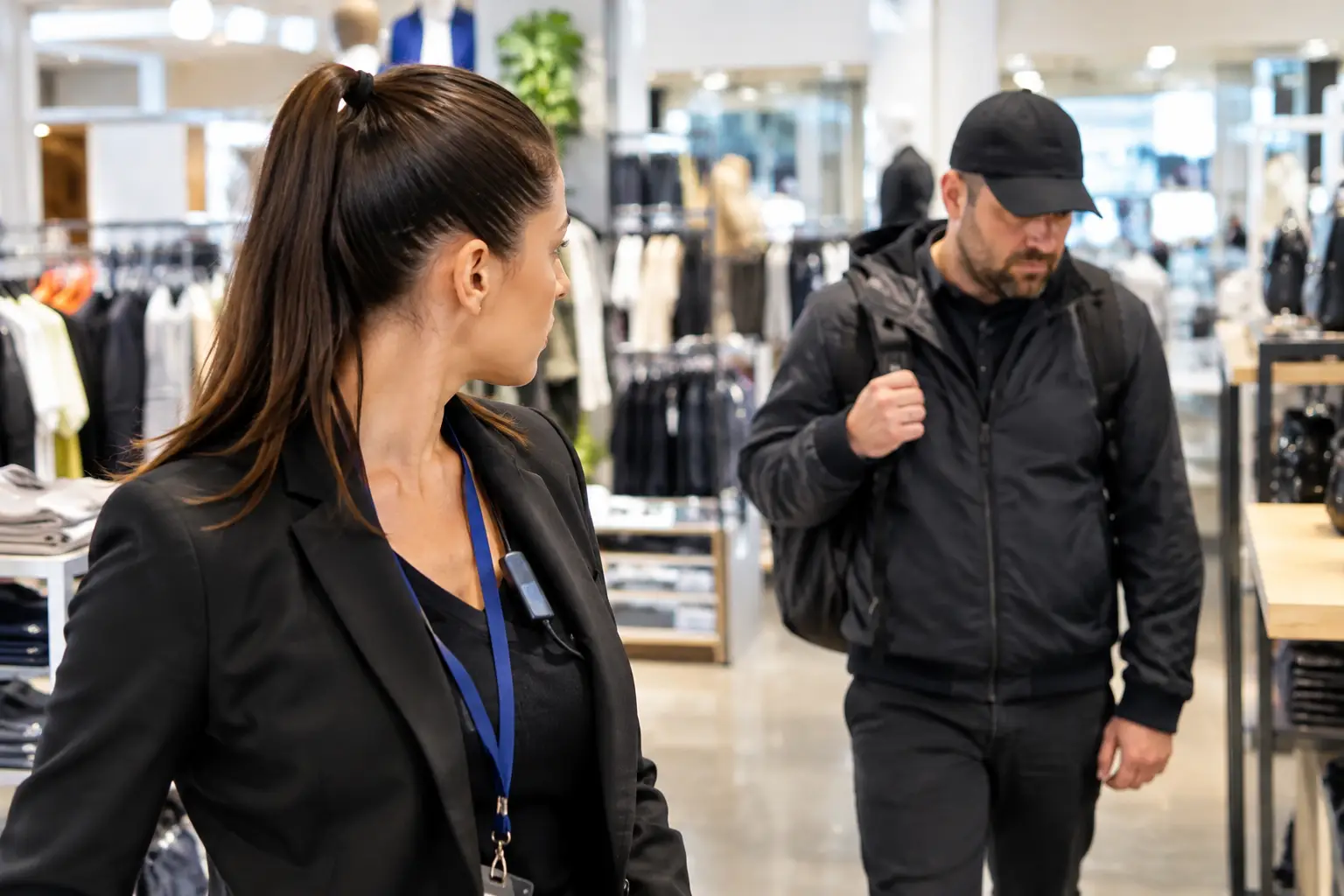
A suspicious item is rarely the point at which an organisation discovers its real problem.
The decisive weakness is usually exposed in the minutes that follow: a colleague hesitates to report it, a manager tries to investigate alone, or a control room receives partial information and no one is clear who can make the next decision.
Managing suspicious package incidents is therefore a test of operational capability, not merely a security procedure.
Most organisations have some form of policy.
Fewer can show that their people understand the policy, can apply it under pressure and can maintain control of a busy environment while specialist support is arranged. That distinction matters. A document cannot make a receptionist challenge a poor decision, help a duty manager resist pressure to reopen an area too early, or give senior leaders an accurate picture of what is happening.
A suspicious package is an uncertainty problem
Security teams often look for certainty too soon.
They want to know whether an item is dangerous, who left it and whether disruption is justified. In the early stage, those questions may not be answerable. Waiting for certainty can create unnecessary exposure.
The practical question is simpler: is there sufficient cause to treat the item and its context as suspicious until appropriate advice is available? Context is central. An unattended bag in a public concourse, a delivery that does not match expected arrangements, or an item found in a restricted area can each require attention for different reasons. It is the mismatch with normal activity, not a checklist of visual features, that should prompt a report.
This is where old security thinking fails. Staff are sometimes taught to look for a narrow set of indicators, then assume that anything outside those examples is safe.
Good awareness training builds judgement instead. It teaches people to notice what does not fit, report it promptly and avoid turning curiosity into intervention.
The first report shapes the whole response
A good initial report does not need to diagnose a threat. It needs to give the right people a usable starting point. The reporter should describe the location, what has been observed, when it was noticed and any relevant information about access, deliveries or people associated with the area.
They should not handle, move or attempt to inspect the item.
Organisations should make reporting easy and unambiguous. If staff must decide whether to call a supervisor, security desk, facilities team or emergency service before raising a concern, valuable time is lost and accountability becomes blurred. There should be a known internal route for rapid escalation, backed by clear arrangements for contacting the police and emergency services where required.
A control room or duty manager must then do more than log the report. They need to establish a common operating picture: what is known, what is not known, what immediate controls are in place and who is leading the response.
Recording decisions and times is valuable, but note-taking must support action rather than replace it.
Avoid the well-meaning investigation
One recurring failure is the self-appointed investigator. This may be a security officer, building manager or technically minded employee who believes they can resolve the matter quickly by checking the item, reviewing nearby footage or asking staff to search for an owner. Their intention may be sensible.
Their actions can create risk, contaminate information and place others in an avoidable position.
The response must remain disciplined. Preserve the area, keep people away, communicate through agreed channels and seek appropriate assistance. The exact actions will depend on the site, the item, current circumstances and advice from responding authorities.
A crowded venue, a construction site and a corporate office cannot all use the same arrangements.
That is why generic instructions copied into every site plan are of limited value. The plan must be translated into site-specific decisions, who has authority to close an entrance, how is an area kept clear, where can people be directed without creating a second problem, and how will contractors, visitors and people with accessibility needs be accounted for?
Control people as well as the location
Physical cordons and restricted zones are only part of the task. In many incidents, the first operational challenge is human behaviour. Staff may want to collect personal belongings, customers may demand access, contractors may continue towards an entrance because they have a deadline, and social media speculation can quickly outrun verified information.
Calm, clear instruction prevents much of this. People do not need a detailed explanation while the situation is developing. They need to know what to do, where to go and when further information will be provided. Language should be firm without being alarmist.
Speculation erodes confidence; silence can do the same. The answer is measured communication based on confirmed facts.
Managers should also consider the staff member who made the report. If reporting is treated as an inconvenience, an overreaction or a cause of disruption, others will learn the wrong lesson. A report made in good faith should be respected, even where the item proves harmless.
This is how reporting culture is built.
Decision-making under pressure needs defined authority
Suspicious package incidents reveal whether command arrangements are real. A nominal incident lead who is unavailable, unclear about their role or unable to make a decision leaves a vacuum. Someone will fill it, often without the information or authority to do so.
Roles should be understood before an incident occurs. The incident lead directs the response and maintains liaison with emergency services. Security or facilities personnel support safe site control within their competence. Communications leads coordinate messages.
Senior leaders provide organisational support and make wider business decisions, but should not undermine the person managing the immediate incident.
This is not an argument for rigid hierarchy. At the early stage, a capable employee may need to act before a senior manager is informed. It is an argument for defined decision rights. People need confidence that taking sensible protective action will be supported rather than questioned solely because it caused inconvenience.
The uncomfortable reality is that commercial pressure can distort judgement. A venue may be reluctant to interrupt an event. A retailer may fear lost sales. An office landlord may worry about reputational damage. Those are legitimate business concerns, but they cannot be allowed to drive the initial safety decision.
The cost of a proportionate precaution is usually manageable.
The consequences of delayed action may not be.
Test the response, not just the plan
A suspicious package procedure should be tested through realistic, discussion-based scenarios and practical exercises appropriate to the environment. The purpose is not to catch people out or manufacture drama. It is to identify where decisions slow down, communication fails or assumptions collapse.
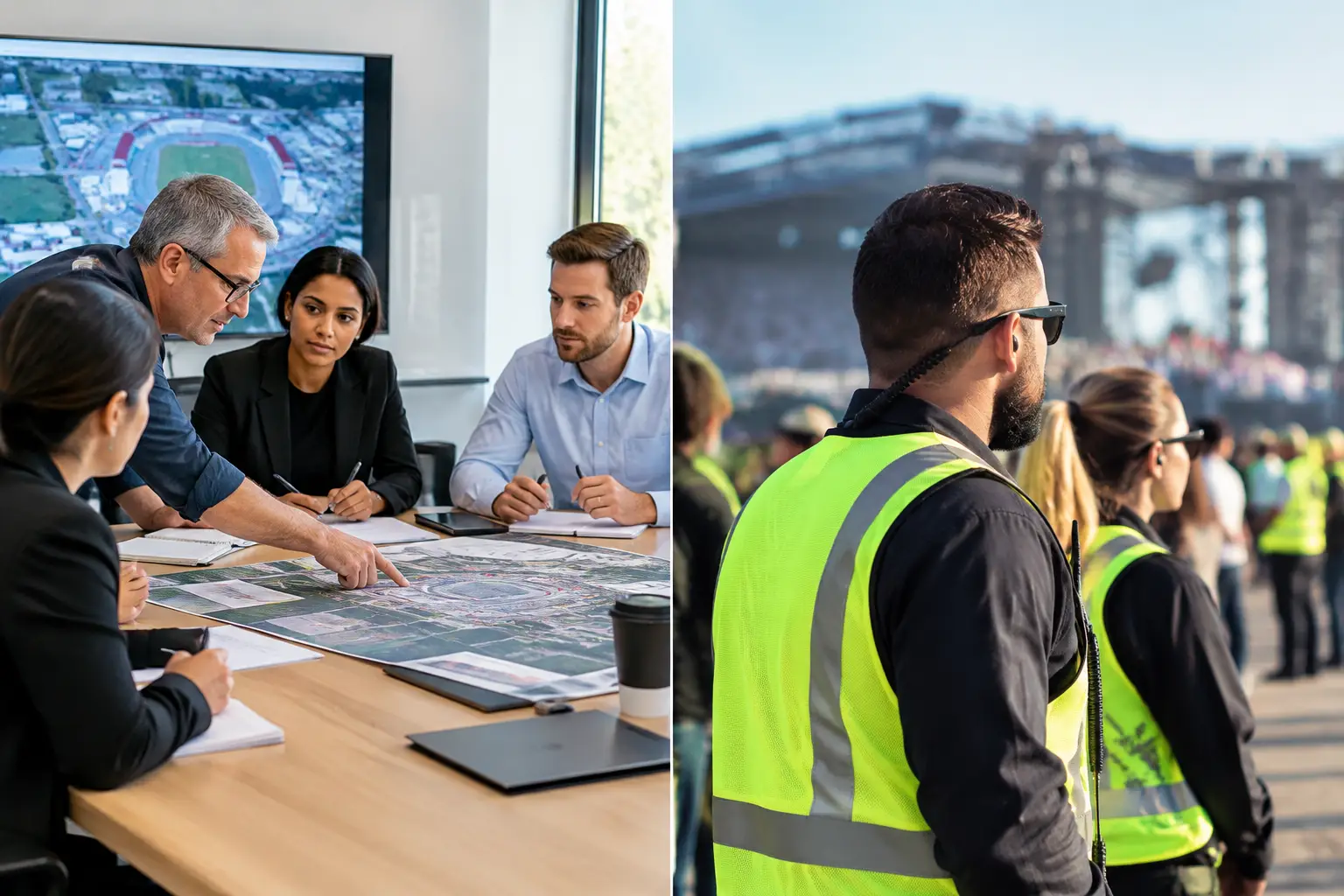
A useful exercise places people in their actual roles. Ask the duty manager what information they require before making a decision. Ask reception how they will pass a report while dealing with visitors. Ask a building manager how access will be controlled if normal routes are affected. Ask senior leaders what they will communicate to tenants, clients or staff.
The voids are often basic, which is precisely why they matter.
Exercises should also include handovers and out-of-hours arrangements. Incidents do not respect office hours, and many sites depend on agency staff, lone workers or reduced teams overnight.
If the plan only works when experienced managers are present, it does not work.
After any exercise or actual incident, review performance honestly. Look beyond whether the procedure was followed. Did people recognise uncertainty early? Did reporting reach the right person? Were decisions timely and proportionate? Did communications reduce confusion? Were staff able to return to normal operations in a controlled way?
These questions measure capability rather than paperwork.
Build confidence without creating complacency
Training must give people enough confidence to act, not enough confidence to freelance.
The aim is straightforward: recognise concern, report it, protect people, follow direction and support the wider response. Staff do not need to become explosive safety specialists to contribute effectively. They do need to understand their boundaries.
For security professionals and managers, deeper development is required. They need practice in interpreting incomplete information, maintaining incident discipline, communicating with authority and balancing public safety with operational continuity. This is where capability evaluation can be useful.
It exposes the difference between knowing a policy exists and being able to use it when the situation is unclear.
Mildot Group’s approach is built around that distinction. Theory has value only when it changes decisions and behaviour at the point they matter.
The strongest organisations do not measure readiness by the number of completed training modules or signed policies. They watch what happens when an employee reports something that does not look right.
If that report reaches capable people, prompts proportionate action and is handled with calm discipline, the organisation has built something more valuable than compliance: it has built the habit of making sound decisions before certainty arrives.
.
Useful Links:
.