A crowded venue, an exposed front-of-house team, a fragmented incident plan and a threat picture that shifts faster than the paperwork. That is where private sector counter terrorism either proves its value or fails. For organisations with public access, high footfall, symbolic profile or critical operations, the issue is not whether a policy exists. It is whether people can recognise threat indicators, make sound decisions under pressure and keep operations moving when conditions deteriorate.
Too much security effort still leans on documentation as a proxy for readiness. That creates comfort, not capability. Modern threats expose old security thinking. A file on a shelf does not improve hostile reconnaissance detection. A generic training slide deck does not help a duty manager decide whether a developing situation is criminality, protest activity or the early stages of a terrorism-related attack. Private sector counter terrorism has to be built around operational performance.
What private sector counter terrorism should actually deliver
At its best, private sector counter terrorism reduces real-world risk by improving how an organisation anticipates, detects, decides and responds. That sounds straightforward, but it requires more than adding another layer of compliance.
The real objective is capability. Can your people identify suspicious behaviour without disrupting normal business unnecessarily? Can your control room separate noise from signal? Can your site leadership coordinate with emergency services, protect life, preserve command clarity and recover operations in a controlled way? If the answer depends on one experienced individual being present, the capability is fragile.
This is why a mature approach starts with the operating environment rather than a template. A retail estate, a stadium, a hotel group, an office campus and a piece of critical infrastructure do not face the same pattern of exposure. Even within one sector, risk varies by location, profile, public accessibility, event calendar, executive presence, supply chain dependency and local policing context. Good counter terrorism planning respects those differences.
Private sector counter terrorism is not just a security function
One of the most common points of failure is treating counter terrorism as a specialist topic owned by a single department. In practice, terrorism preparedness is cross-functional. Security may lead, but operations, facilities, HR, legal, communications and senior leadership all shape the outcome.
That matters because many weaknesses sit outside traditional security boundaries. Reception staff may be the first to spot behavioural anomalies. Facilities teams often control physical vulnerabilities that affect blast, access and evacuation outcomes. Communications teams influence how quickly accurate information reaches staff and customers. Senior leaders set the threshold for investment, escalation and disruption tolerance.
A stronger model brings these functions together around a shared operating picture. That does not mean endless meetings. It means clear responsibilities, realistic triggers, tested communication routes and practical decisions about what the organisation will actually do at each stage of a developing incident.
The difference between compliance and readiness
In the UK, Martyn’s Law has sharpened attention on protective security and preparedness, particularly for publicly accessible locations. That is welcome. It creates focus and raises the baseline. But compliance on its own does not guarantee operational competence.
There is a trade-off here. Regulatory alignment helps structure effort, secure budget and create accountability. Yet if organisations stop at minimum standards, they may end up technically compliant but operationally weak. A venue can have plans, briefings and assigned roles and still underperform if those arrangements have not been stress-tested against realistic friction.
Readiness shows up in smaller, harder measures. How quickly can staff report concerns? How often are suspicious incidents triaged correctly? Can supervisors maintain judgement under ambiguity? Do plans still work on a peak trading day, with contractor gaps, technology faults and competing commercial pressures? Those are the questions that expose the gap between paper assurance and field performance.
Building capability where it matters most
Effective private sector counter terrorism usually rests on five linked components: threat understanding, vulnerability reduction, behavioural awareness, decision-making and rehearsal. Miss one, and the rest become less reliable.
Threat understanding is not about chasing headlines. It is about maintaining a disciplined picture of relevant attack methodologies, hostile reconnaissance patterns, target attractiveness and environmental factors. That picture should inform planning, not sit in a briefing note that nobody revisits.
Vulnerability reduction is where many organisations can make immediate gains. Access control logic, hostile vehicle mitigation, queue management, mail and delivery procedures, key asset mapping and emergency route protection all have practical value. The right answer depends on the site. Overcorrect and you damage operations or customer experience. Undershoot and you leave obvious gaps. The point is calibrated improvement.
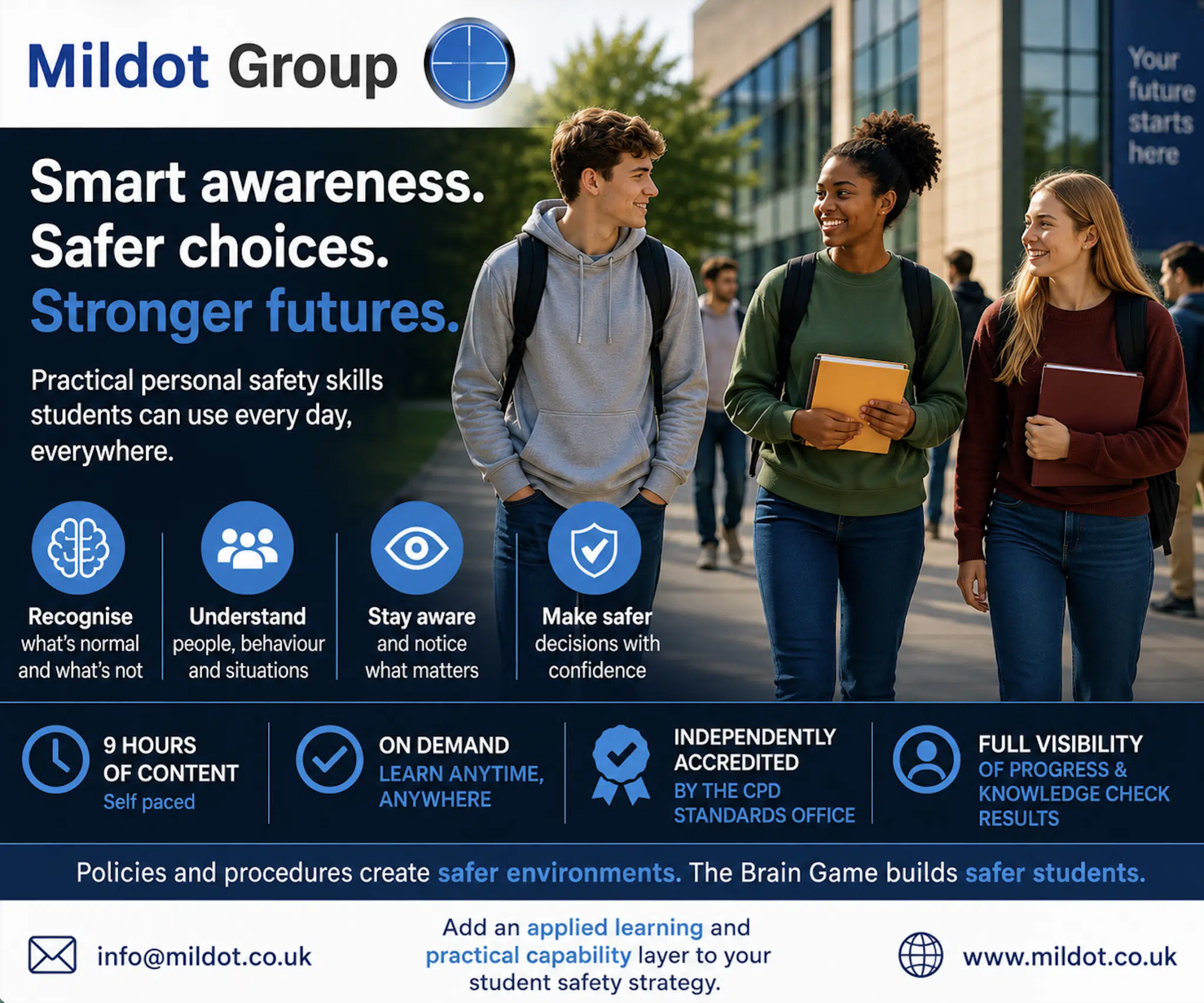
Behavioural awareness is often treated too lightly. Terrorism prevention is not only about objects and infrastructure. It is also about people noticing pre-attack indicators, unusual probing, elicitation attempts, dry runs or abnormal stress behaviours. Staff do not need to become investigators. They need the confidence to observe, report and escalate accurately.
Decision-making is the hinge. During a live or suspected incident, delays and poor assumptions cost time. Leaders need simple, credible frameworks that help them interpret limited information, prioritise life safety, avoid paralysis and coordinate across teams. This is where training must move beyond awareness into judgement.
Rehearsal turns intention into performance. Tabletop exercises, validation workshops and role-based scenarios reveal what plans miss. They also expose a difficult truth – many plans rely on calm conditions that never exist in real incidents. Rehearsal introduces friction before reality does.
Why behavioural risk matters in counter terrorism
A technical plan can still fail if the people using it are overloaded, hesitant or unclear. That is why behavioural risk should sit much closer to private sector counter terrorism practice than it often does.
Under stress, people simplify, delay, over-trust familiar explanations or wait for certainty that never comes. Teams can also drift into groupthink, especially when hierarchy is strong and incident information is incomplete. These are not abstract concerns. They shape whether suspicious activity is challenged, whether an evacuation starts early enough and whether senior leaders recognise a deteriorating situation before it forces itself on them.
Training should therefore improve perception, communication and decision quality under pressure. The aim is not to create dramatic responses. It is to create disciplined ones. Staff who know what normal looks like are better at spotting abnormality. Leaders who have practised uncertain scenarios are less likely to freeze when facts are partial.
Digital learning is excellent for capability evaluation & practitioner development
eLearning has a place in counter terrorism learning & development, especially for dispersed teams and organisations that need scale. But passive completion rates are a poor indicator of preparedness. Watching content is not the same as demonstrating judgement.
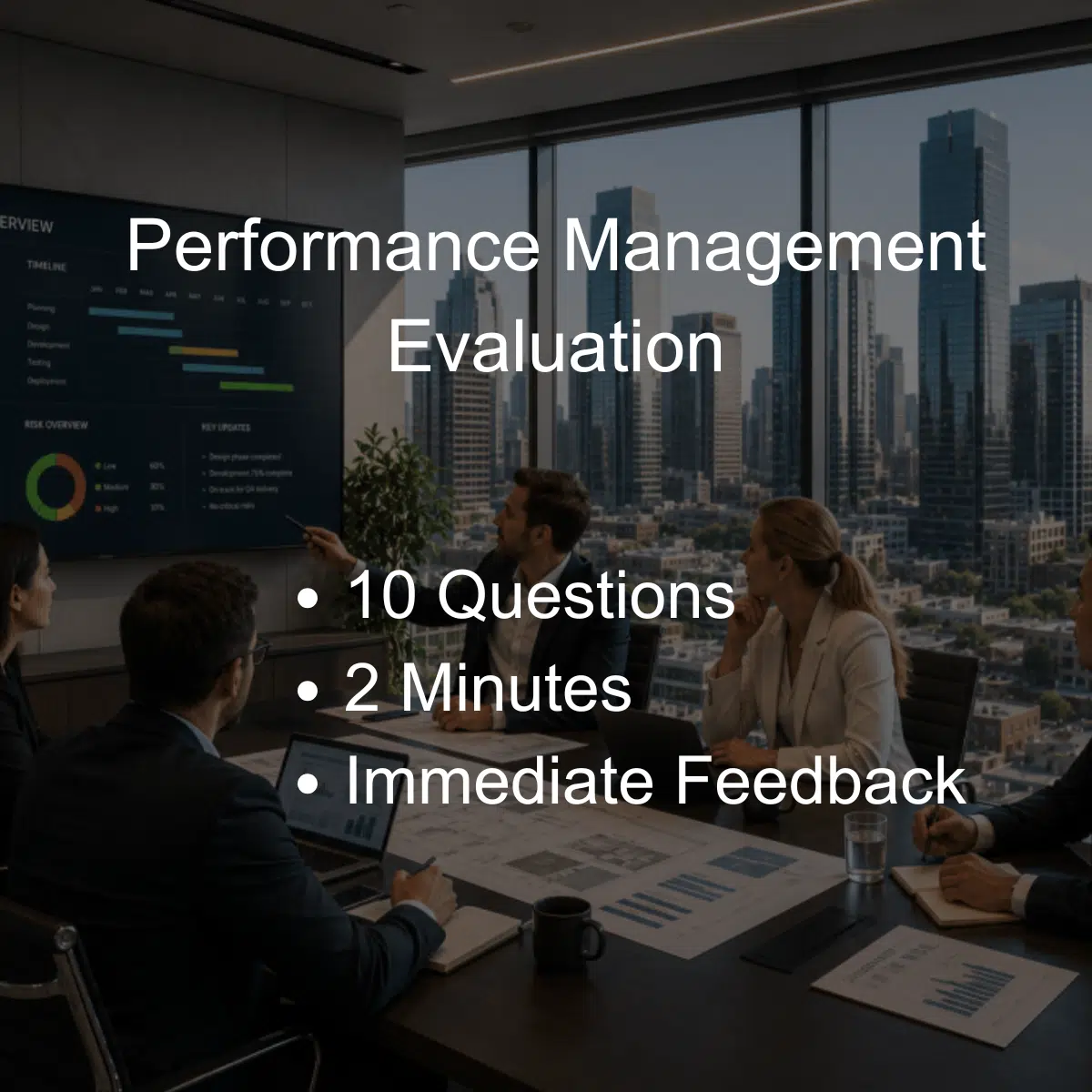
The better use of digital platforms is capability evaluation and practitioner learning & development. Immediate feedback, diagnostic insight and structured learning paths can show where knowledge is thin, where role confusion exists and where practitioner development needs attention. That is useful at organisational level and individual level. It supports prioritisation rather than guesswork.
For security managers, this matters because budget and time are limited. A capability diagnostic approach helps direct effort where the operational return is highest. It also gives leadership a clearer basis for improvement planning than generic attendance records.
What good looks like for security leaders
Good private sector counter terrorism is visible in the quality of decisions and the credibility of preparation. Security leaders should be able to explain the threat picture in business terms, identify the most relevant vulnerabilities, show how staff capability is being improved and demonstrate that plans have been tested against realistic scenarios.
They should also be honest about constraints. Not every site can support major physical upgrades. Not every organisation has a mature security culture. Sometimes the quickest gains come from reporting discipline, control room procedures, manager rehearsal and targeted awareness for exposed teams. It depends on the operating model, the threat exposure and the organisation’s appetite to act.
What should not happen is mistaking activity for progress. More policy, more slides and more terminology do not automatically reduce risk. Capability does.
Mildot Group works with organisations that need counter terrorism measures to function under real conditions, not just satisfy a requirement. That distinction matters because incidents are messy, fast-moving and unforgiving of weak assumptions.
The strongest organisations are not those with the thickest plans. They are the ones that turn theory into action, sharpen judgement before pressure arrives and keep improving before a threat makes the lesson expensive.
Apply for Mildot Group consultancy
Our consultancy capacity is limited to ensure every organisation receives direct practitioner involvement, practical solutions, and support throughout the project.
Useful Links:
.