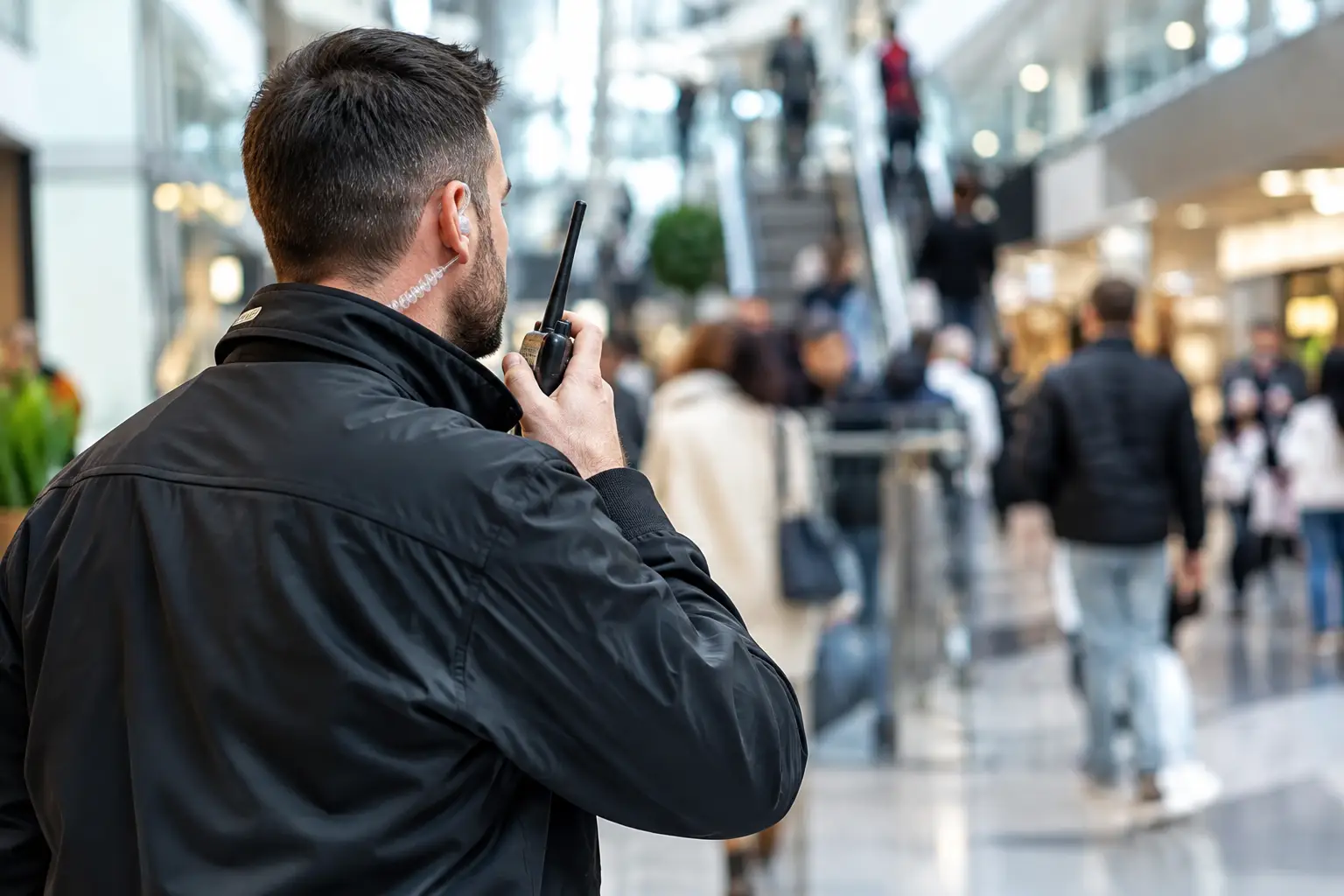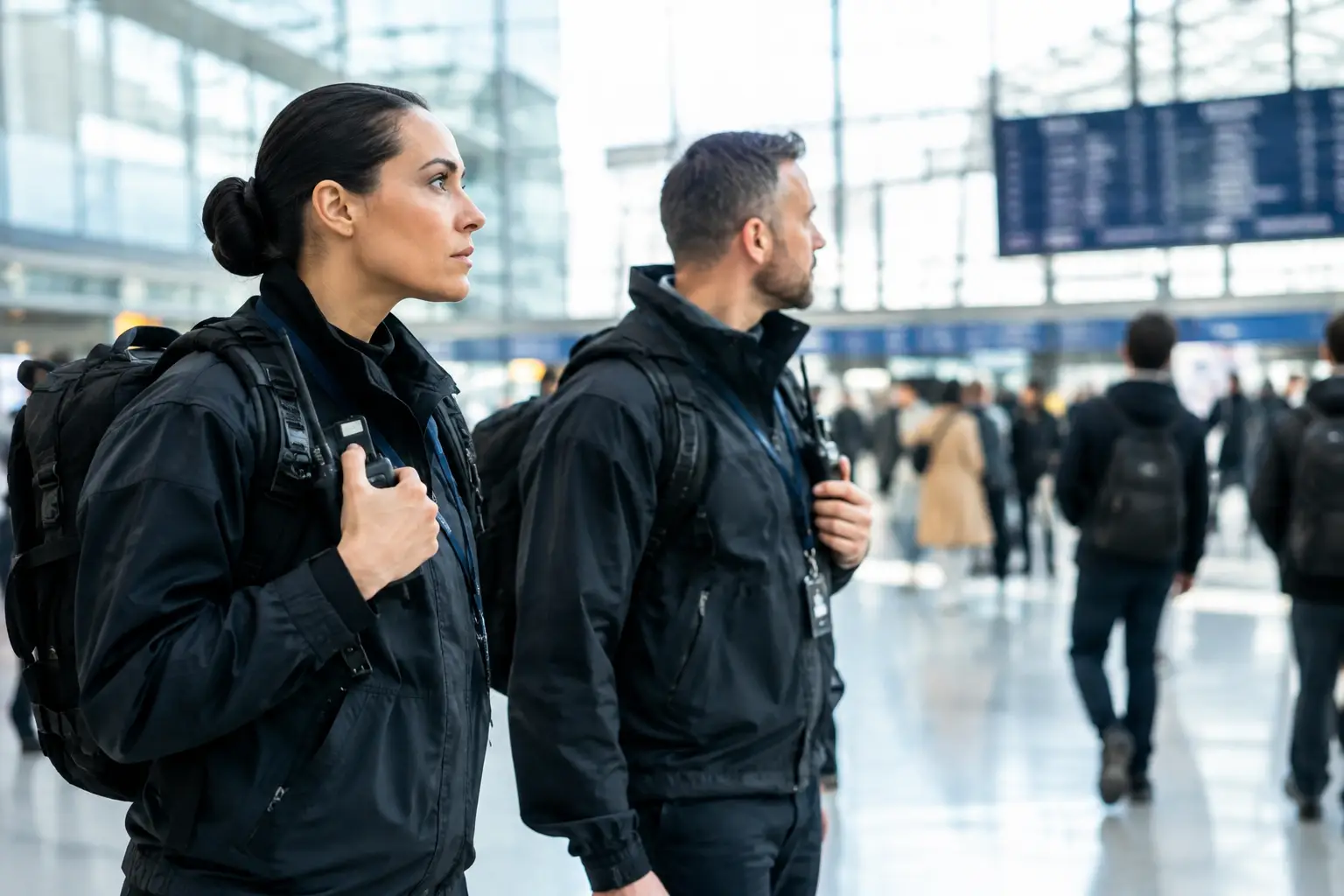
A store can have CCTV, radios, policies and a shelf full of procedures – and still fail under pressure. That is why a retail security readiness example matters. It shows the difference between having security measures in place and having a team that can recognise a threat, make decisions quickly and protect people when the situation turns fast.
For retail leaders, readiness is not a paperwork exercise. It is the ability to detect risk early, communicate clearly, act lawfully and recover operations without confusion. That applies to terrorism, violent incidents, suspicious behaviour, hostile reconnaissance, theft-linked aggression and the wider pattern of behavioural risk that often appears before a serious event.
A retail security readiness example in practice
Consider a mid-sized city centre retailer with high weekend footfall, regular promotional events and a public-facing layout that makes access easy. The business has basic technical systems, a store management structure, third-party contractors visiting site and a young frontline team with mixed experience. On paper, it appears covered. In reality, its exposure is higher than it first seems.
The first sign of weakness is usually not equipment failure. It is inconsistency. One supervisor challenges suspicious behaviour confidently, another ignores it. One team member knows the lockdown procedure, another has never rehearsed it. A radio call is made, but no one uses clear terminology. A manager decides to evacuate, but the stockroom team receives the message late. This is how capability gaps surface.
In a credible readiness programme, the store begins with a threat, vulnerability and risk assessment grounded in how the site actually operates. Not a generic template. Not a compliance document copied across multiple locations. The assessment looks at footfall patterns, entry points, staffing levels, peak trading periods, surrounding streets, neighbouring premises, event days, delivery routines and the kinds of incidents most likely to unfold there.
That assessment then feeds practical decisions. The store adjusts patrol routines around vulnerable trading periods. It tightens access control to staff-only areas. It reviews sightlines at entrances and customer service points. It updates escalation thresholds so that suspicious behaviour, aggressive conduct and abandoned items trigger clear reporting actions rather than hesitation.
What good readiness looks like
A useful retail security readiness example is not dramatic. It is disciplined. Teams know what they are looking for, what they need to report and who makes which decisions. Senior leaders understand that technology supports judgement, but does not replace it.
Readiness usually rests on five connected elements: threat awareness, role clarity, communication discipline, practical planning and repeated testing. If one is missing, the whole system weakens.
Threat awareness
Frontline staff need more than a vague instruction to stay alert. They need to recognise suspicious behaviours in context. That includes loitering without purpose, repeated visits with unusual interest in entrances or back-of-house areas, attempts to test staff responses, unusual filming, probing questions about routines, and stress indicators that do not fit normal customer behaviour.
The point is not to turn shop staff into intelligence officers. It is to give them enough behavioural understanding to notice what others miss and escalate concern early. Early recognition buys time. In security, time is often the most valuable asset available.
Role clarity
During an incident, confusion spreads faster than information. Staff should know who leads, who contacts emergency services, who manages movement, who checks welfare and who secures critical areas if safe to do so. Without this clarity, even experienced teams can talk over one another and lose control of the first few minutes.
Role clarity also matters outside the incident itself. Someone must own training records, exercise scheduling, contractor briefing and plan review. When readiness is everybody’s job, it often becomes nobody’s responsibility.
Communication discipline
Many retail environments rely on informal communication until a crisis exposes the weakness of that habit. A good readiness model uses simple, repeatable language. Teams are trained to pass accurate information, avoid speculation and confirm receipt of critical instructions.
This sounds basic because it is basic. It is also one of the first things to break when pressure rises. Stores that perform well have already practised radio protocols, escalation routes and emergency phrasing before they need them.
From policy to performance
The void between policy and performance is where many organisations remain exposed. A plan may state that staff should move customers away from danger, preserve life and alert emergency services. Useful enough. But can the team do it in a noisy store, on a busy Saturday, with split staffing and a new duty manager on shift?
This is where training and exercising matter. E-learning can build baseline knowledge quickly and consistently across multiple sites. It gives staff and managers a common framework, especially on threat indicators, incident principles and legal duties. But digital learning on its own is not enough. Teams also need discussion-based exercises, scenario walkthroughs and realistic decision-making practice.
A strong programme might run a short suspicious package scenario one month, an aggressive intruder scenario the next, then a communications failure exercise after that. The aim is not theatre. The aim is to expose friction points while the cost of failure is still low.
Retail security readiness example: testing the response
Return to our city centre retailer. The business runs a tabletop exercise based on a suspicious individual seen filming entrances, service corridors and staff access points over several visits. The scenario develops gradually. Frontline staff report concerns inconsistently. The duty manager is unsure when observation becomes escalation. Security systems capture useful images, but no one has a clear process for logging behavioural patterns across shifts.
That exercise reveals three issues. First, the team needs clearer hostile reconnaissance indicators. Second, shift handovers are not preserving useful information. Third, the threshold for management action is too subjective. None of this would be obvious from reading the store policy alone.
The business then makes specific improvements. It introduces a simple incident reporting format, tightens handover standards and gives managers a clear escalation matrix for suspicious activity. A follow-up exercise shows faster recognition, better reporting and more confident decision-making. That is capability improvement. It is measurable, operational and relevant.
Where retail readiness often falls short
Most failures come from overconfidence in static controls. CCTV, alarms and access systems matter, but they do not create judgement. If the team cannot identify pre-incident behaviour or coordinate a response, technical investment will only carry the organisation so far.
Another common weakness is treating all sites the same. A flagship store in a dense urban location does not face the same risk picture as a smaller retail unit in a quieter setting. Standards can be centralised, but readiness needs local context. Otherwise plans become generic and teams stop believing they are useful.
There is also a trade-off between efficiency and resilience. Lean staffing models may support commercial performance, yet leave little spare capacity during disruption. That does not mean every site needs a large security overhead. It means leaders should assess whether current staffing assumptions still hold when an incident forces evacuation, lockdown, welfare support and communication with emergency services at the same time.
Building a stronger readiness model
The most effective approach is staged and honest. Start by assessing what the site can actually do today. Then test that picture against plausible scenarios. After that, improve competence through targeted learning, practical exercises and periodic review.
For organisations affected by stronger UK protective security expectations, including those preparing for Martyn’s Law duties, this matters even more. Readiness will be judged by what people can do, not just by what is written down. Evidence of assessment, training, exercising and improvement creates a much stronger position than policy alone.
This is where specialist support adds value. External review can identify blind spots, challenge assumptions and bring operational realism that internal teams sometimes lack. Mildot Group’s approach is built around that principle – turning security theory into action and reducing real-world risks through capability, not paperwork.
A credible retail security readiness example should leave you with one clear test. If a threat emerged this afternoon, would your team know what to notice, what to say and what to do next? If the answer is uncertain, that is not a failure. It is your starting point.
Useful Links:
.