A security review that ends with a thick report and little operational change is not a win. If your site teams are still unsure what to look for, your managers still cannot make fast decisions under pressure, and your plans have not been tested against credible threat scenarios, the risk remains. Protective security consultancy should close that void.
For organisations exposed to terrorism, hostile reconnaissance, disruptive protest, insider threat, VIP risk or high-consequence operational failure, protective security consultancy is not about buying paperwork. It is about improving capability where it matters – on the ground, in the control room, across leadership teams and through the systems that support them. That means practical advice, clear prioritisation and measures that can stand up under real pressure.
What protective security consultancy is really for
At its best, consultancy gives decision-makers a realistic understanding of where they are vulnerable, what matters most and what should happen next. That sounds straightforward, but many organisations still receive advice built around generic templates, broad compliance language and recommendations that look sound on paper yet fail in live environments.
Modern threats expose old security thinking. A site may meet baseline standards and still be poorly prepared for hostile intent, poor information flow, weak escalation processes or confused command decisions. A venue may have cameras, barriers and policies, yet still lack the behavioural awareness and response discipline needed to act early. Consultancy earns its value when it turns theory into action.
That requires more than a site walk-round and a list of observations. It requires a proper assessment of threat, vulnerability and risk, combined with an understanding of operations, footfall, asset criticality, organisational culture and the likely performance of people under stress. The right advice is rarely the most complicated. It is the advice your teams can apply, maintain and improve.
Where protective security consultancy creates value
The strongest consultancy engagements improve both security posture and operational confidence. That usually starts with clarity. Leaders need to know which risks are credible, which vulnerabilities are material and where investment will make the greatest difference.
In practice, that can mean reassessing perimeter security for a crowded public-facing site, reviewing hostile vehicle mitigation options, testing access control logic, tightening contractor oversight, refining incident management structures or improving staff awareness of pre-attack behaviours. It may also involve advising on technology, procurement, compliance obligations, security planning or the quality of outsourced delivery.
The key point is this: controls must match the operating environment. A luxury hospitality venue, a retail estate, a major event, an energy site and a corporate headquarters do not carry the same threat picture or the same tolerance for disruption. Good consultants do not force a standard answer onto very different problems.
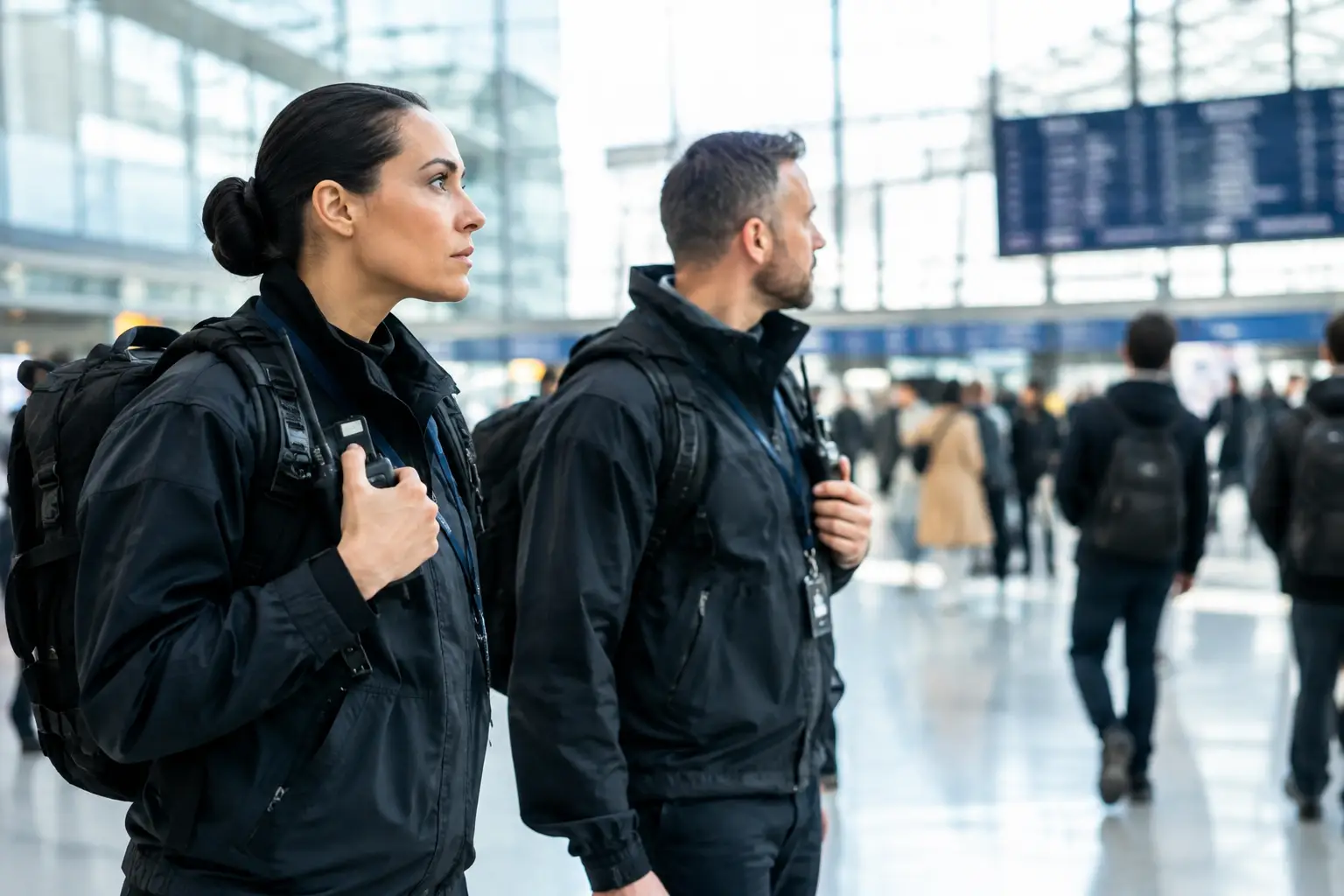
There is also a human factor that many firms underplay. Security failure is not always caused by a missing barrier or a weak process. It can come from hesitation, poor judgement, unclear roles, task overload or a team that has never been trained to think clearly under pressure. Behavioural risk matters because people are still the ones making decisions when plans collide with reality.
What good consultancy looks like in practice
A credible consultant should be able to explain risk in plain language, justify priorities and connect recommendations to operational outcomes. If the advice cannot be translated into actions for managers, supervisors and frontline teams, it will struggle to produce change.
That is why the best work tends to combine strategic review with implementation support. An organisation may need a security strategy, but it also needs realistic procedures, capable people, tested assumptions and some way of measuring whether readiness is improving. This is where assessments, exercises, capability diagnostics and targeted learning have real value. They show whether the organisation can actually do what the policy says it can do.
For businesses preparing for stronger counter terrorism duties under Martyn’s Law, this matters even more. Compliance will be part of the picture, but compliance alone will not protect a venue, reassure leadership or improve the speed and quality of a response. Organisations will need defensible assessments, sensible plans and evidence that people understand their role.
There are trade-offs. Not every site needs major capital expenditure. Not every risk justifies a technical system upgrade. Sometimes the fastest gain comes from better incident thresholds, stronger reporting discipline, improved supervisor training or clearer command responsibilities. Sometimes a physical measure is essential. It depends on the threat, the consequences of failure and how the site actually operates.
How to judge a protective security consultancy partner
The market includes capable specialists and a fair amount of surface-level advice. Choosing well means looking past presentation and asking harder questions.
First, does the consultancy understand your environment? A team advising a public venue, critical infrastructure operator or high-risk commercial site should be comfortable with real operational complexity. They should understand how security interacts with customer experience, business continuity, staffing realities and legal duty.
Second, can they assess both systems and people? Protective security is not only a matter of hardware and process. It is also about vigilance, escalation, leadership judgement and performance under stress. If a consultancy ignores the behavioural side, the picture is incomplete.
Third, do they produce prioritised recommendations rather than an inflated wish list? Security budgets are finite. Leadership teams need to know what is urgent, what is sensible, what can wait and what will genuinely reduce exposure.
Fourth, can they support implementation? Some organisations have strong in-house teams and only need specialist advice. Others need help with planning, contractor oversight, validation, awareness training or capability development over time. There is no single model, but there must be a route from diagnosis to improvement.
Finally, credibility matters. Operational experience counts because threats are not theoretical. Consultants should understand pressure, consequence and the reality of making decisions when time is short and information is incomplete. That is one reason organisations often look for partners with a strong military and private sector background, such as Mildot Group, where the emphasis stays on practical outcomes rather than security theatre.
Why capability matters more than documentation
Many organisations already have policies, plans and risk registers. The real question is whether those documents reflect reality and whether teams can act on them. A plan is useful only if the right people know it, trust it and can apply it under pressure.
Capability is measurable. You can test decision-making. You can assess awareness. You can evaluate whether a manager knows when to escalate, whether a team can identify hostile reconnaissance, whether a site can absorb disruption and still function. You can also identify where confidence exceeds competence – a common and dangerous gap.
This is where digital learning, evaluation tools and structured capability diagnostics can strengthen consultancy rather than sit beside it. Used properly, they allow organisations to move beyond one-off advice and build repeatable improvement across teams, locations and leadership levels. That matters for large estates, dispersed operations and any environment where staff turnover can quietly erode readiness.
The organisations that improve fastest are usually the ones prepared to confront uncomfortable findings early. They do not ask whether the paperwork exists. They ask whether the response would work at 18:00 on a busy Friday, during a complex event, or when a supervisor is absent and a junior manager has to make the call.
The commercial case for getting it right
Protective security & counter terrorism is often discussed as a duty, but it is also a business issue. Poor security decisions create operational disruption, reputational damage, leadership exposure and avoidable cost. They can delay openings, undermine stakeholder confidence, weaken procurement decisions and leave organisations reacting expensively after warning signs were missed.
Good consultancy protects more than assets. It supports continuity, strengthens assurance and gives leadership a firmer basis for investment decisions. It can also prevent waste by showing where expensive measures add little value and where lower-cost changes can materially improve resilience.
That balance matters. Security should be proportionate, but proportionate does not mean minimal. It means matched to risk, tested against reality and maintained by people who understand what good looks like.
If you are considering protective security consultancy, ask for more than recommendations. Ask for evidence of operational thinking. Ask how capability will be assessed, how priorities will be set and how improvements will be sustained. The right partner will not just tell you what is wrong. They will help your organisation perform better when pressure arrives.
Useful Links:
.