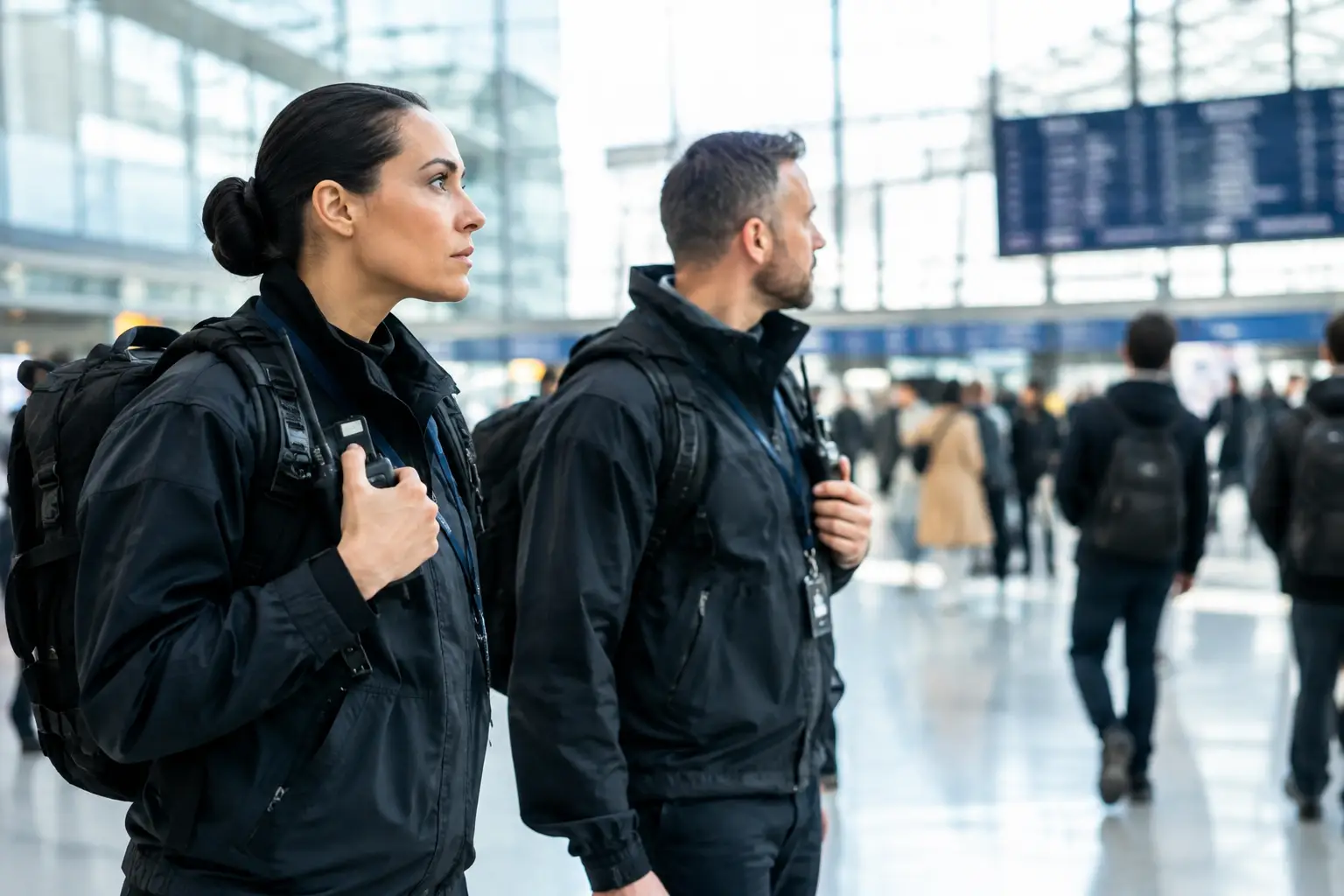
A crisis plan rarely fails because the binder is missing. It fails because pressure exposes weak decisions, unclear authority and teams that have never practised together. The best crisis management tabletop exercises do not just test paperwork – they reveal whether your people can make sound decisions when facts are partial, time is short and consequences are real.
For organisations facing terrorism risk, public safety pressure, reputational exposure or regulatory scrutiny, that distinction matters. A tabletop exercise should build capability, not theatre. If your session ends with everyone agreeing that the plan is broadly fine, you probably tested comfort rather than readiness.
What makes the best crisis management tabletop exercises?
The strongest exercises are credible, specific and slightly uncomfortable. They force leaders to make decisions with incomplete information, deal with conflicting priorities and work through the real friction points that emerge in a live incident. That includes communications delays, poor handovers, competing commercial pressures and uncertainty over who actually owns key decisions.
A good exercise is not about catching people out. It is about exposing failure points early enough to fix them. That means the scenario must reflect your risk profile, operating model and threat environment. A luxury hotel, a city-centre retailer, a festival organiser and a critical infrastructure operator may all run crisis exercises, but the pressure points will be different.
The other mark of quality is pace. Weak tabletop sessions drift into policy discussion. Effective ones move decision by decision. What do you know now? What are you assuming? Who has authority? What happens in the next 15 minutes? That is where capability shows itself.
1. Marauding terrorist attack exercise
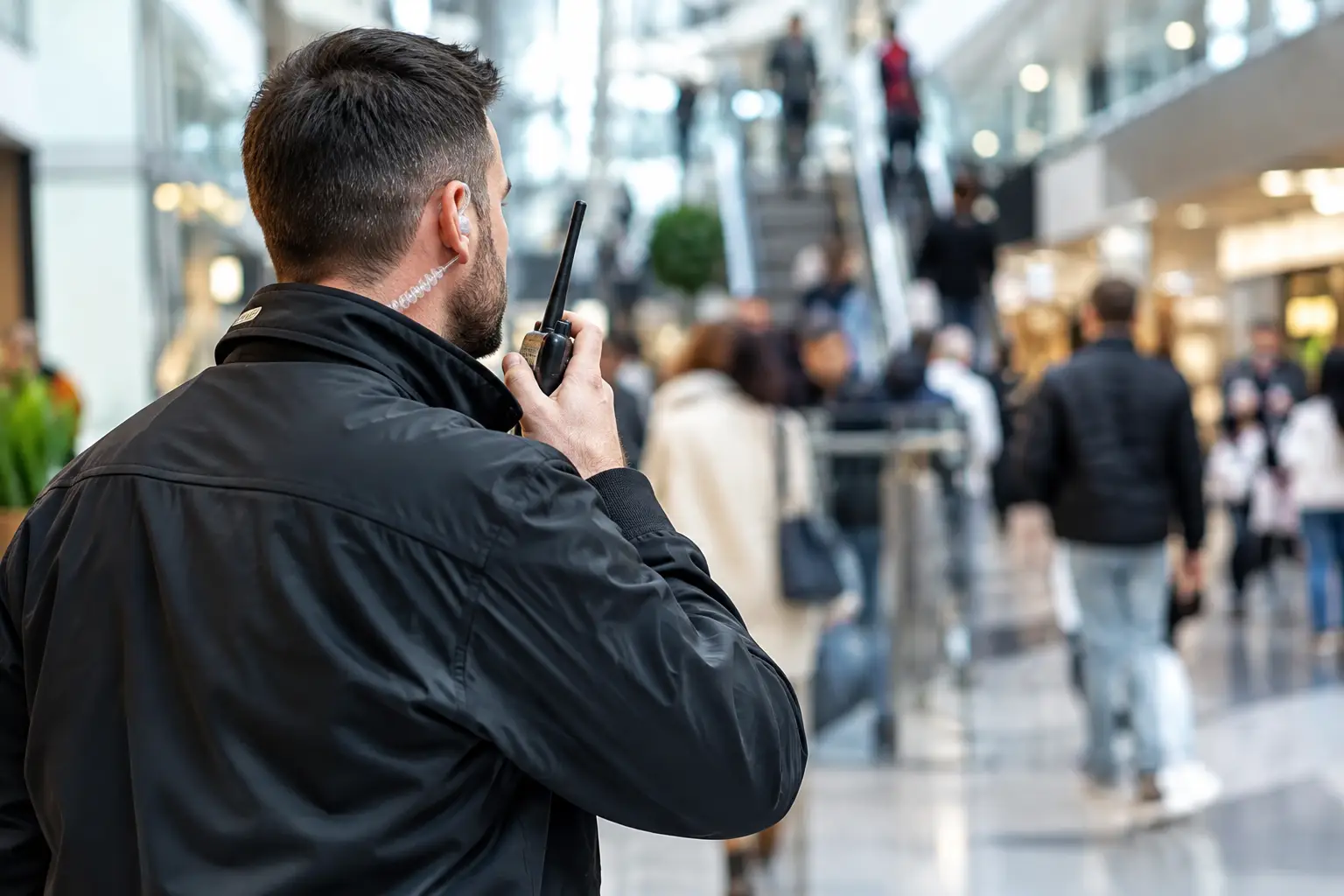
For venues, retail estates, hospitality sites and publicly accessible locations, this remains one of the most valuable scenarios. It tests immediate decision-making under extreme uncertainty, including lockdown or evacuation choices, liaison with emergency services, casualty management, command structure and communications with staff and the public.
This exercise is effective because it strips away false confidence. Teams quickly discover whether they understand invacuation procedures, how quickly they can account for people, and whether control room, operations and senior leadership are working from the same picture. It also exposes the dangerous gap between a written terrorism plan and a team that can actually apply it.
The trade-off is sensitivity. This scenario needs careful facilitation. If handled poorly, it becomes sensationalist or too scripted. If handled properly, it gives organisations a serious test of readiness against a threat that still demands disciplined preparation, especially in light of evolving protective security duties.
2. Suspicious item and bomb threat escalation exercise
This is often underestimated because it appears familiar. In practice, it is one of the best crisis management tabletop exercises for testing judgement. The challenge is rarely the initial report. The challenge is the chain of decisions that follows – credibility assessment, search policy, cordons, business continuity, police engagement, evacuation routes and public messaging.
A strong version of this exercise should not stop at the first decision. It should escalate. Perhaps a second call comes in. Perhaps social media posts suggest a wider threat. Perhaps the item is near a choke point or key asset. The purpose is to test whether the team can adapt rather than simply follow a checklist.
This scenario is particularly useful for organisations that need to balance security action against commercial disruption. It quickly reveals whether decision-makers understand acceptable risk or simply delay difficult calls.
3. Hostile reconnaissance detection exercise
Many incidents begin well before the attack phase. A reconnaissance exercise tests whether security, operations, frontline teams and management can identify pre-incident warning signs and act on them in a joined-up way. This matters because early intervention is often the cleanest form of crisis management.
In a tabletop setting, the scenario might begin with repeated unusual visits, suspicious photography, attempts to probe procedures or inconsistent enquiries about access and staffing patterns. The team must decide what gets reported, how information is assessed, when escalation is justified and what protective measures should change.
This is a high-value exercise because it develops vigilance and decision quality before the crisis peaks. It also helps organisations move beyond the common weakness of collecting observations without turning them into action. For teams preparing for Martyn’s Law responsibilities, this kind of scenario is especially useful because it connects awareness to protective decision-making.
4. Social media crisis during a live security incident
Modern incidents do not unfold in private. Staff, customers and bystanders post in real time, often before the facts are established. A social media crisis exercise tests whether the organisation can manage public information without creating further harm.
The best version combines operational pressure with reputational pressure. While the incident response is still developing, false claims begin circulating online, journalists request comment, families seek information and senior stakeholders demand certainty that does not yet exist. The communications team cannot solve that alone. Leadership, legal, operations and security all need to work from a disciplined decision process.
This exercise matters because poor communications can degrade an otherwise competent response. It exposes whether your approval routes are realistic, whether messaging aligns with operational facts and whether the organisation understands when speed matters more than polish.
5. Insider threat and behavioural risk exercise
Not every crisis arrives from outside. Insider risk can trigger violence, sabotage, data compromise, reputational damage or severe disruption to operations. A tabletop exercise focused on behavioural risk is particularly useful where teams manage staff grievances, contractor access, sensitive sites, high-value assets or high-pressure environments.
The scenario should avoid caricature. Strong exercises look at ambiguity – concerning behaviour, inappropriate access attempts, policy breaches, fixation on a colleague or principal, sudden performance deterioration or attempts to bypass security controls. The team then works through reporting thresholds, welfare considerations, investigation routes, legal constraints and immediate protective action.
This kind of exercise is valuable because it forces organisations to deal with the grey area between HR, security and operational management. That boundary is where risk is often missed. It also reinforces a central truth: capability under pressure is not only about physical security, but about recognising and managing human behaviour before it becomes a crisis.
6. Multi-site business continuity disruption exercise
Some of the best crisis management tabletop exercises are not dramatic. A widespread disruption affecting multiple locations can be just as revealing as a hostile attack scenario. Think cyber-enabled outages, transport failures, utilities loss, protest activity, supply interruption or simultaneous staffing shortfalls.
Why does this work so well? Because it tests command and prioritisation at organisational level. Which sites stay open? Who gets scarce resources first? When do you stand up crisis management rather than leave sites to manage locally? How do you maintain service, protect people and brief executives without losing control of the wider picture?
For organisations with distributed estates, this scenario often exposes structural weaknesses rather than individual errors. It shows whether escalation thresholds are clear, whether regional and central teams understand each other, and whether resilience plans are actually usable when several problems hit at once.
7. Executive decision and strategic command exercise
Not every exercise should focus on the frontline. Senior leaders need their own practice in strategic command, especially when the issue carries regulatory, political, financial and reputational consequences alongside immediate safety concerns.
This exercise is built around the leadership questions that become decisive in serious incidents. What are the organisation’s priorities in the first hour? Who owns the strategic narrative? When is the board engaged? What information is good enough to support a major decision? How do leaders balance duty of care, legal exposure, operational continuity and external scrutiny?
This is where many organisations discover that senior decision-making is slower and less structured than assumed. A capable executive team does not need every detail. It needs a disciplined way to set direction, define risk appetite and support the operational response without interfering with it.
How to choose the right exercise for your organisation
The right scenario depends on consequence, plausibility and value. Start with the incidents that could cause the greatest harm to life, operations or trust, then ask whether your current plans and teams have actually been tested against them. If the answer is no, that is your starting point.
It also helps to vary the focus. If you only run terrorism exercises, you may neglect insider risk or executive command. If you only test business continuity, you may never examine protective security decision-making. A balanced programme develops capability across prevention, response, communication and recovery.
There is also a sequencing issue. Mature organisations do not begin with the most complex scenario possible. They build from realistic, decision-focused exercises that establish confidence and reveal core gaps. Complexity can be added once the basics are credible.
How the best tabletop exercises are run
Design matters as much as scenario choice. A good exercise has clear objectives, realistic injects and a facilitator who understands operations, not just process. Participants need enough pressure to make decisions, but not so much scripting that the exercise becomes a performance.
The debrief is where value is secured. Do not settle for broad observations such as communication could improve. Identify specific capability gaps, assign ownership and fix deadlines. If an issue affects training, governance, plans, contractor arrangements or leadership roles, say so plainly.
This is where specialist support earns its keep. An operationally credible exercise should reflect how incidents really develop, how teams actually behave and where plans usually fail. That is the difference between a compliance event and a capability test. Mildot Group’s approach is built around that principle – turning theory into action and exposing the gaps that matter before a real incident does.
The best exercise is not the one with the cleverest script. It is the one that leaves your team sharper, clearer and harder to surprise when pressure arrives.
The Mildot Group Counter Terrorism Practitioner Programme details all the elements of crisis management and business continuity requirements and how to create an all informed and effective response.
Useful Links:
.