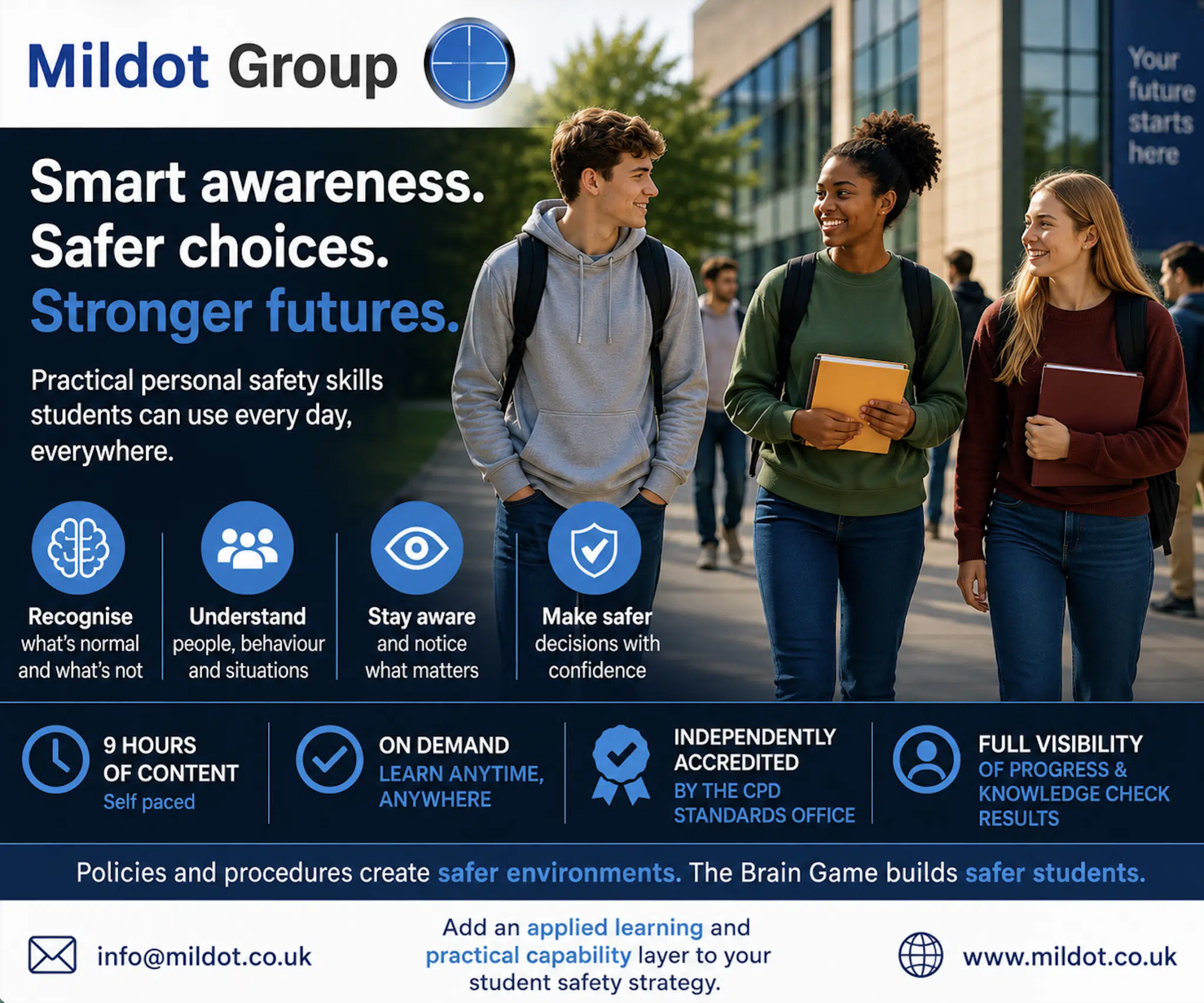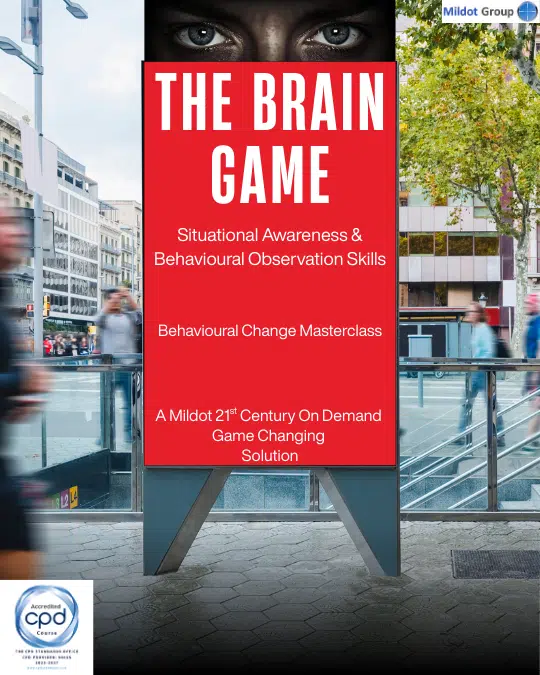
Most security failures are not caused by a total absence of warning. They happen because indicators were missed, dismissed or not understood in time. A situational awareness & behavioural observation programme addresses that gap. It gives people a practical method for noticing what matters, interpreting it properly and acting early enough to reduce risk.
For organisations exposed to terrorism, hostile reconnaissance, insider threat, workplace violence or public-facing disruption, that capability is not a nice extra. It is part of operational readiness. Cameras, access control and procedures all matter, but none of them replace a trained person who can recognise that something is wrong before an incident fully develops.
What a situational awareness & behavioural observation programme actually does
At its core, the programme builds better human detection and decision-making. It teaches staff to understand their environment, establish what normal looks like and identify behaviour that falls outside that pattern for a reason. The aim is not suspicion for its own sake. The aim is earlier recognition of risk, followed by a proportionate response.
That distinction matters. Poorly designed awareness training can leave people overreacting to harmless anomalies or relying on stereotypes. A credible programme does the opposite. It creates disciplined observation, sharper judgement and clear reporting thresholds.
This is especially relevant in locations where threat indicators are subtle. A person conducting hostile reconnaissance may never present as obviously dangerous. They may simply spend too long studying entrances, observe routines, test staff responses or appear repeatedly without a legitimate reason. Individually, those actions may seem minor. Taken together, they can form a pattern that trained staff are far more likely to catch.
Why standard security training often falls short
Many organisations still rely on awareness inputs that are too broad, too static or too compliance-led. Staff are told to be vigilant, but not shown what that means in operational terms. They receive a slide deck on suspicious activity, but not the repetition, context and applied scenarios needed to use that knowledge under pressure.
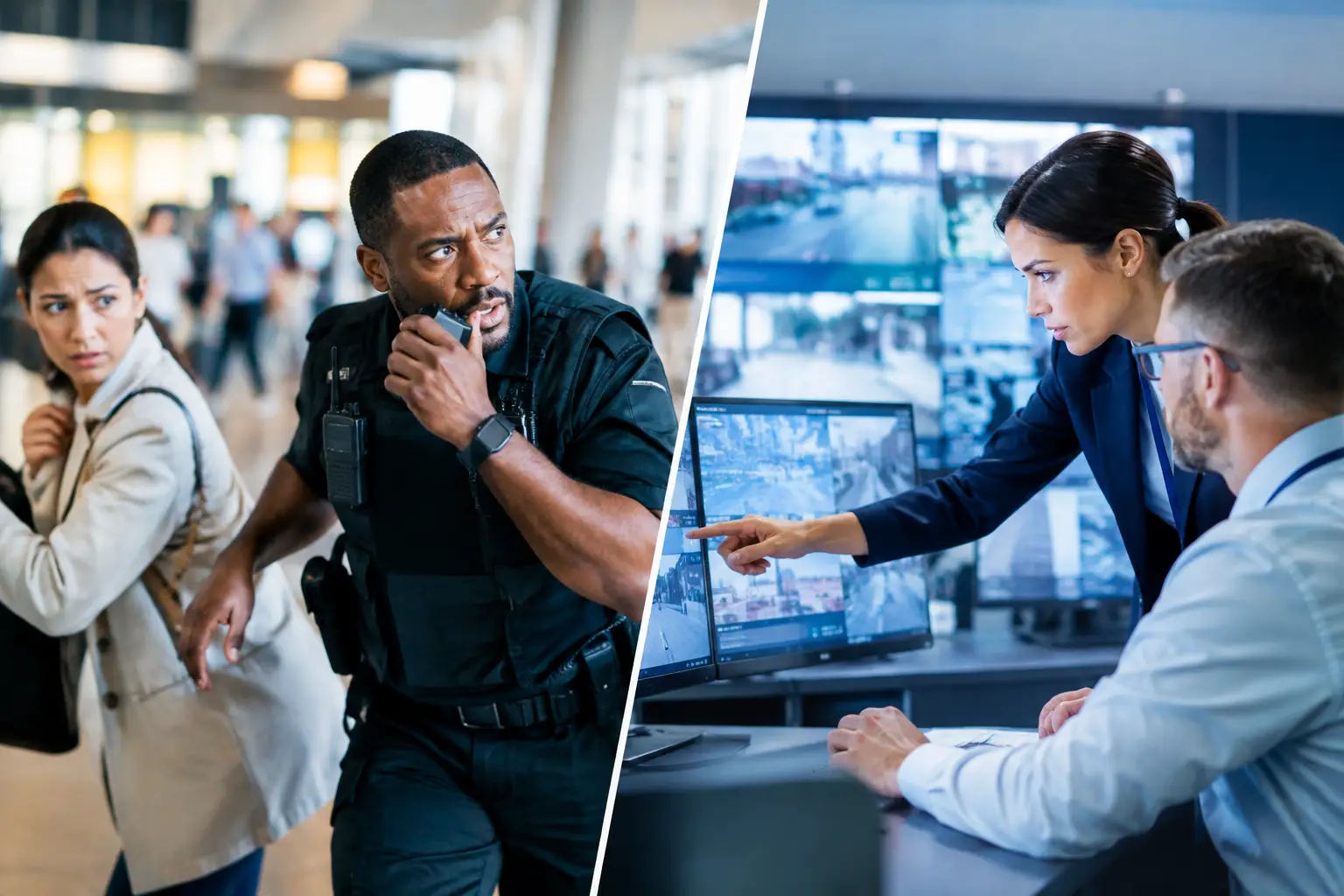
That gap becomes obvious in live environments. Frontline teams may notice something unusual but hesitate because they lack confidence. Supervisors may receive vague reports that are hard to assess. Security managers may have procedures on paper but weak behavioural detection capability across the workforce.
A well-structured situational awareness & behavioural observation programme closes that gap by turning awareness into action. It moves training away from generic messaging and towards observable behaviours, environmental baselining, decision points and reporting discipline.
The operational components that matter
The strongest programmes are built around real use, not theory. They usually begin with environmental awareness. People need to understand their site, their routines, their vulnerabilities and the kinds of hostile or harmful behaviour most relevant to their role.
From there, behavioural observation becomes more precise. Staff learn to look for clusters of indicators rather than single signals. That might include unnatural interest in security measures, attempts to gain access without clear purpose, repeated presence linked to no legitimate activity, visible stress that does not fit the context, or probing questions designed to expose weaknesses.
Just as important is the response model. Observation without action has limited value. People need to know when to monitor, when to engage, when to escalate and how to record what they have seen. If the reporting chain is unclear or cumbersome, detection quality drops quickly.
Programmes also need realism. Behavioural risk does not present in a classroom-friendly way. It is often ambiguous. It changes with context. A hotel, data centre, public venue, office campus and energy site all have different baselines and different threat expressions. That is why generic training packages often disappoint. They may be technically correct, but operationally blunt.
Situational awareness is not just for security teams
One of the biggest mistakes organisations make is treating this capability as the sole responsibility of guards or dedicated security staff. In reality, reception teams, facilities personnel, managers, drivers, event staff, engineers and customer-facing employees may all see part of the picture first.
That does not mean everyone needs the same level of training. It does mean the programme should be tiered. A receptionist may need strong visitor assessment and reporting skills. A security supervisor may need deeper behavioural interpretation and incident coordination. Senior managers may need to understand escalation triggers and decision-making under uncertainty.
This layered approach is particularly useful for organisations preparing for stronger counter terrorism obligations under Martyn’s Law. The legal framework may focus attention, but the operational question remains the same: can your people recognise concern early enough to make a difference?
What good looks like in practice
A credible programme changes behaviour on the ground. Staff stop relying on instinct alone and start using structured observation. Reports improve because people describe actions, patterns and context rather than vague impressions. Escalation becomes faster because thresholds are understood. Leaders gain a clearer picture of what is being seen across the site or estate.
It also supports confidence. That matters more than many organisations realise. Under pressure, uncertain staff tend to do one of two things: they ignore weak signals, or they overreact. Both create risk. Training that improves confidence and judgement produces more proportionate interventions.
There is also a wider resilience effect. Teams that are better at behavioural observation are often better at recognising safety issues, insider risk indicators and emerging disorder. The same disciplined awareness that helps identify hostile reconnaissance can also improve everyday operational control.
The trade-offs and limitations
No programme should be sold as a silver bullet. Human observation has limits. People get tired, distracted and overloaded. Busy environments generate noise. Cultural misunderstanding can distort interpretation. False positives are inevitable if thresholds are too low.
That is why design matters. The programme has to fit the operating reality. Overcomplicate it and staff will not use it. Simplify it too much and it becomes a slogan rather than a capability. The answer is usually role-specific training, repeated practice and straightforward reporting processes backed by supervisors who know how to assess concerns properly.
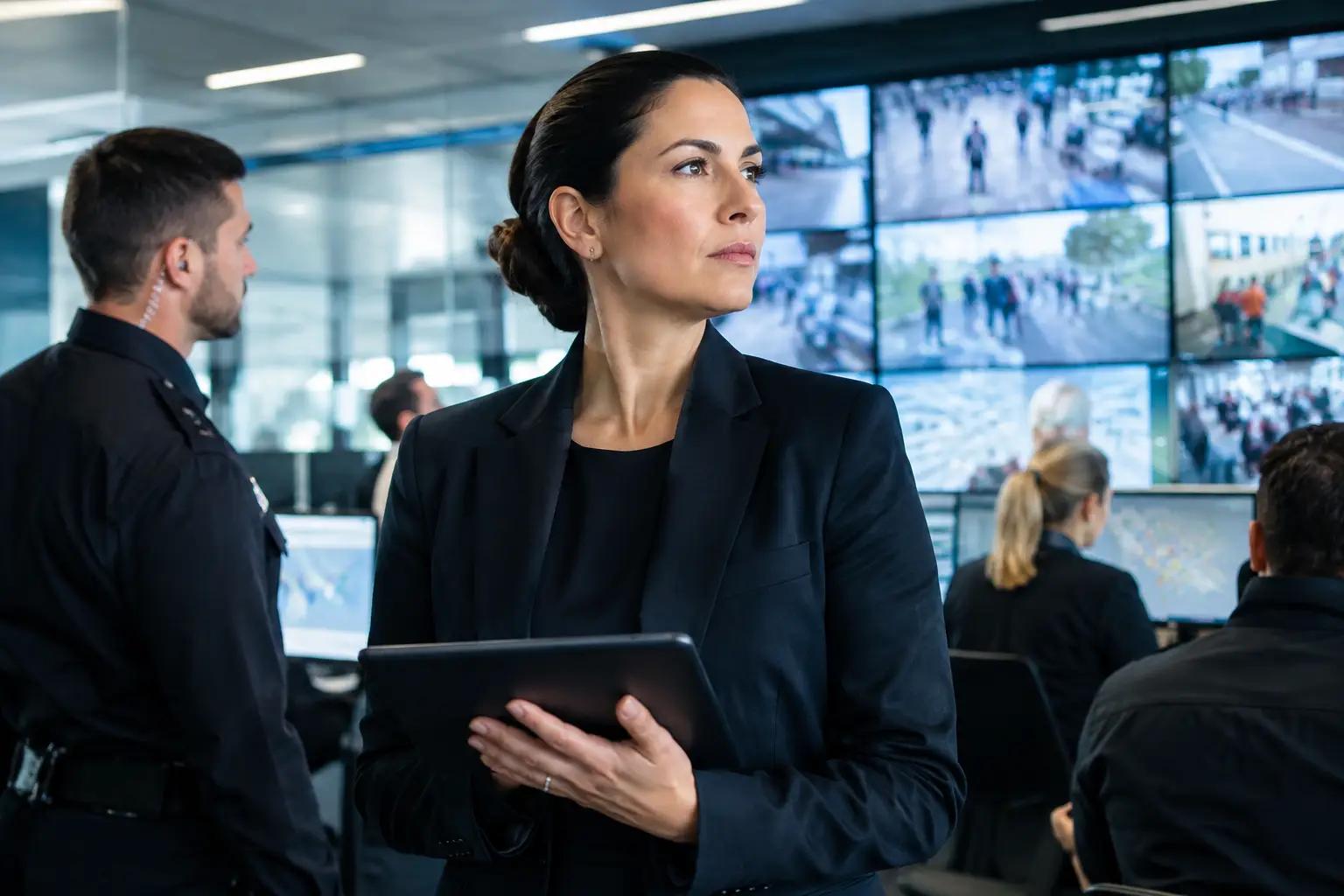
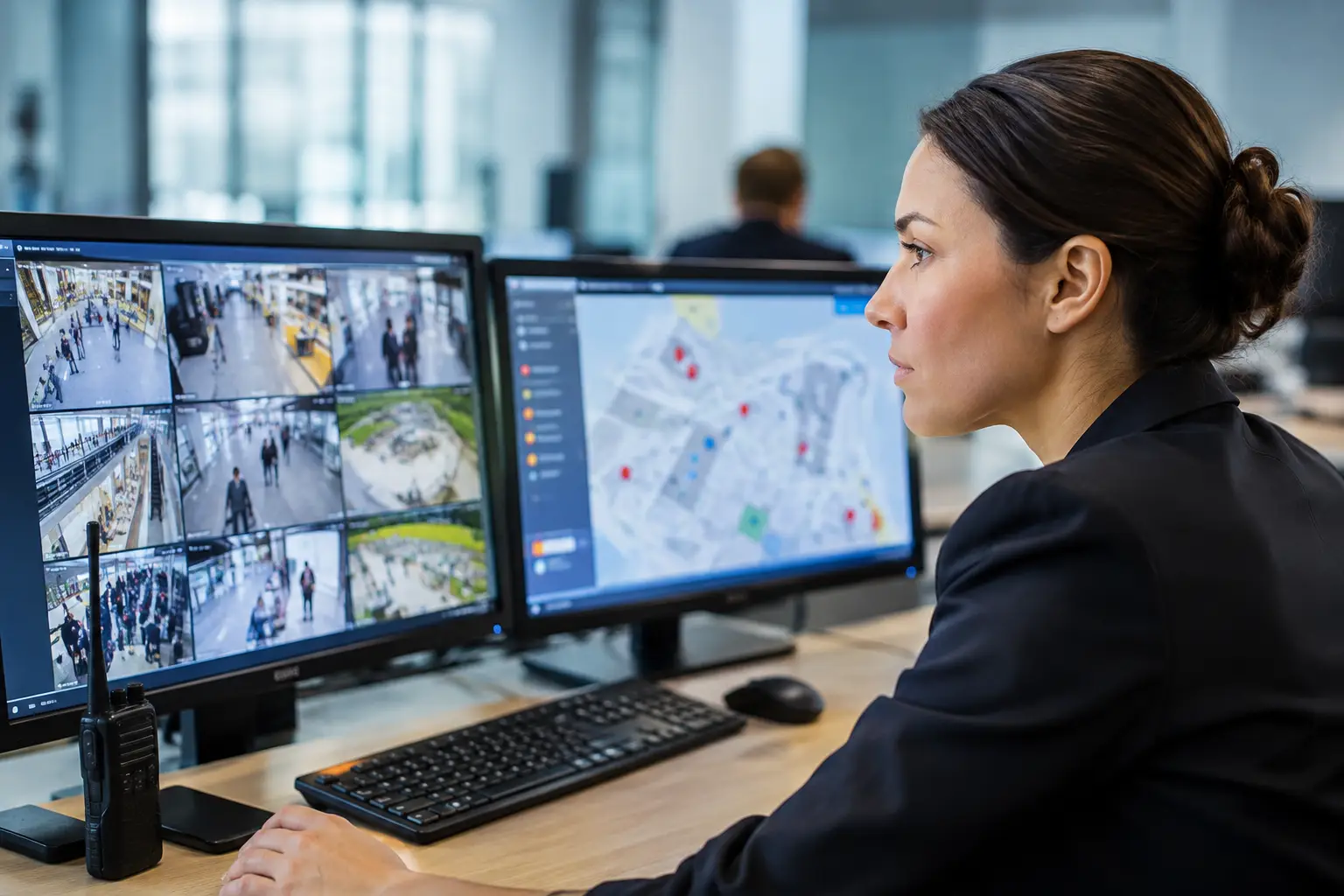
Technology also has a place, but it should support human performance rather than replace it. CCTV, analytics, access data and incident systems can strengthen detection and review. They cannot always explain intent in the moment. Human observation remains central because threat behaviour is contextual.
How to assess whether your organisation needs one
If your teams work in publicly accessible spaces, manage critical functions, protect people, oversee sensitive infrastructure or carry elevated reputational exposure, the answer is probably yes. The more useful question is what level of programme you need.
Some organisations need a full behavioural detection framework integrated into site operations, training cycles and incident management. Others need a focused uplift for frontline personnel in high-contact roles. In either case, the starting point should be risk, not fashion. What threats are plausible, where are your vulnerabilities and who is most likely to spot pre-incident behaviour first?
A practical assessment should also examine current reporting quality. If staff regularly say they were worried about something only after an incident, that is a warning sign. If suspicious activity logs are sparse, inconsistent or unusable, that is another. If managers cannot explain the difference between unusual behaviour and behaviour that indicates risk, capability is probably underdeveloped.
Building a programme that works under pressure
Effective implementation starts with clarity of purpose. Are you trying to improve counter terrorism readiness, strengthen protective security, reduce insider risk, support lone workers or sharpen public-facing vigilance? The answer shapes the content.
Training should then be aligned to roles, operating environments and likely scenarios. That can include workshops, eLearning, scenario-based discussion and supervisor coaching. What matters is not the format by itself, but whether staff can apply it in their actual workplace.
Measurement matters too. A programme should not be judged by completion rates alone. Better indicators include reporting quality, supervisor feedback, exercise performance, escalation speed and evidence that teams are recognising and acting on behavioural concerns more effectively. This is where organisations often need specialist support. It is easy to deliver awareness content. It is harder to build a capability that stands up in live conditions. Mildot Group focuses on that practical end of the problem – turning theory into action that reduces real-world risks.
The strongest programmes are also refreshed over time. Threats evolve. Sites change. Staff turnover erodes competence. Refresher training, updated scenarios and periodic review are part of maintaining readiness, not optional extras.
A capability worth taking seriously
A situational awareness & behavioural observation programme is valuable because it improves the one element present in every security environment – human judgement. When that judgement is trained, structured and connected to clear action, early warning becomes far more usable.
For organisations operating in higher-risk environments, the question is not whether people will see indicators. They often do. The real question is whether they will recognise them, report them and act with enough confidence to disrupt the problem before it becomes an incident. That is where capability earns its value.
Useful Links:
.